The official name
DeepSeek lists `deepseek-v4-flash` as the callable name and says it now serves V4-Flash-0731. There is no separate 0423 name in the current API table.
Version check / 0423
Searching for “0423” usually means you found an older OpenRouter label, not a separate current API name. DeepSeek’s docs now point `deepseek-v4-flash` to V4-Flash-0731. Here is how to verify the route before you tune a preset, or skip the setup and use the current model in Tabbit.
The 0423 label appears in OpenRouter and community posts. It is not listed as a current model name in DeepSeek’s API docs.
Read the label
Model pages and forum posts can preserve an old label after the provider changes what a stable name serves. Check the endpoint and the returned model before comparing outputs.
DeepSeek lists `deepseek-v4-flash` as the callable name and says it now serves V4-Flash-0731. There is no separate 0423 name in the current API table.
OpenRouter’s page is titled DeepSeek V4 Flash 0423 and uses `deepseek/deepseek-v4-flash`. Provider availability and prices can change.
A SillyTavern thread reports better adherence after reverting to Flash 0423. That is a user observation, not a benchmark or a guarantee for every preset.
SillyTavern / verify first
SillyTavern gives you character cards, lorebooks, and presets. Your job is to make sure those layers are talking to the model you think they are.
Use the DeepSeek API or an OpenRouter connection. Do not mix an OpenRouter slug with a direct DeepSeek base URL.
Direct API: `deepseek-v4-flash`. OpenRouter: `deepseek/deepseek-v4-flash`. Read the provider response if the UI still shows 0423.
Test a small character card first. If instructions drift, adjust the system prompt and post-processing before importing a large community preset.
A preset changes the feel of a chat. It cannot turn an unavailable or renamed model into 0423.
A lower-friction route
If your goal is to chat while reading a character wiki, guide, or reference page, a browser workflow may fit better than maintaining a local frontend and API connection.
Open the AI-native browser on macOS or Windows and keep the reference page in a tab.
Open the model picker in a new tab or side chat. Select the current DeepSeek option shown for your Tabbit edition.
Type `@` to reference a tab, screenshot, or local file. The page stays beside the chat instead of being pasted into a character prompt.
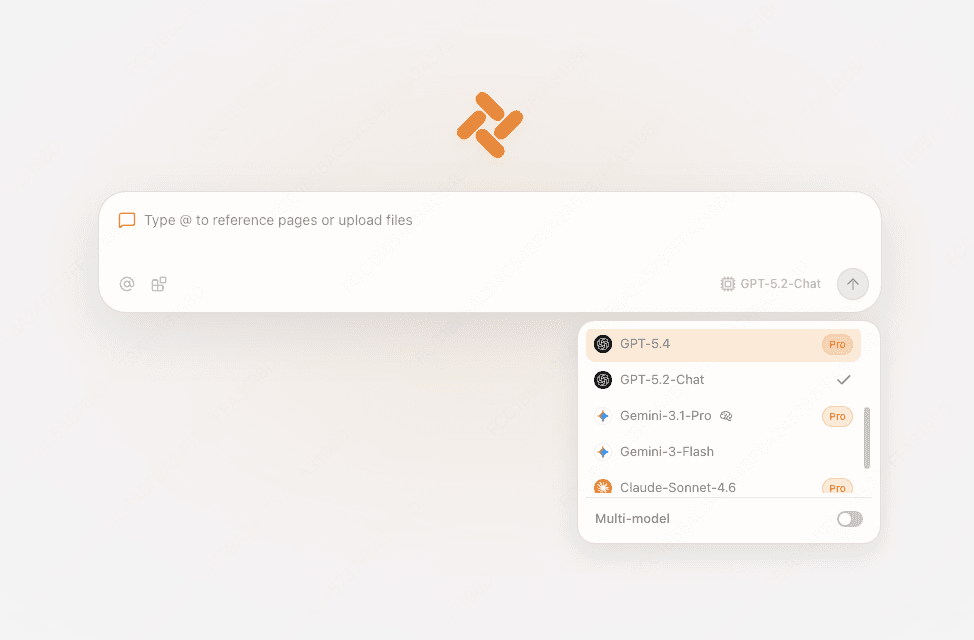
Use the browser as context
The useful difference is not a claim about roleplay quality. It is the handoff: find a version note, keep a character sheet open, and ask about the exact page you are reading.
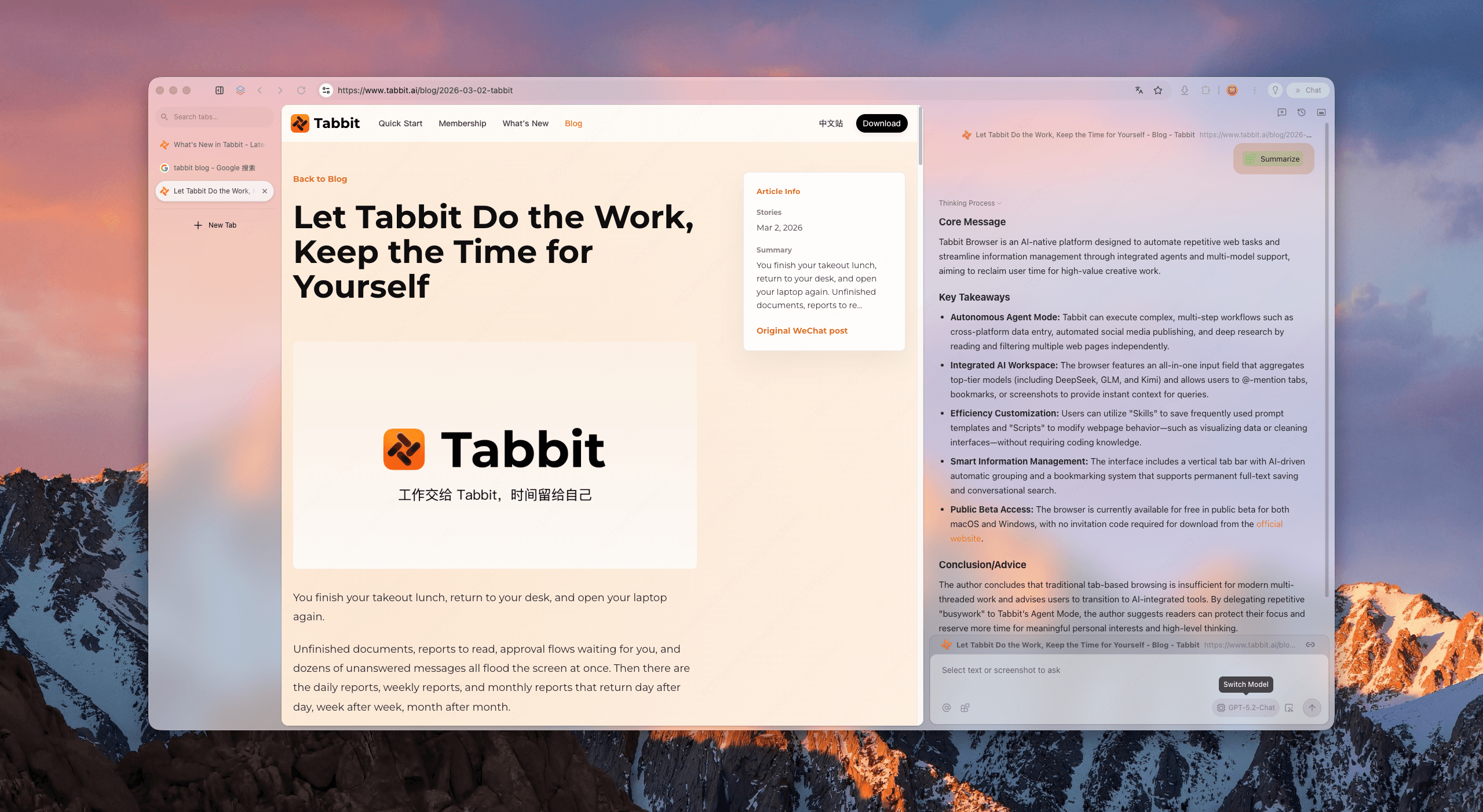
Keep the official API page and OpenRouter model page in separate tabs. Ask the side chat to point out which name belongs in your connection.
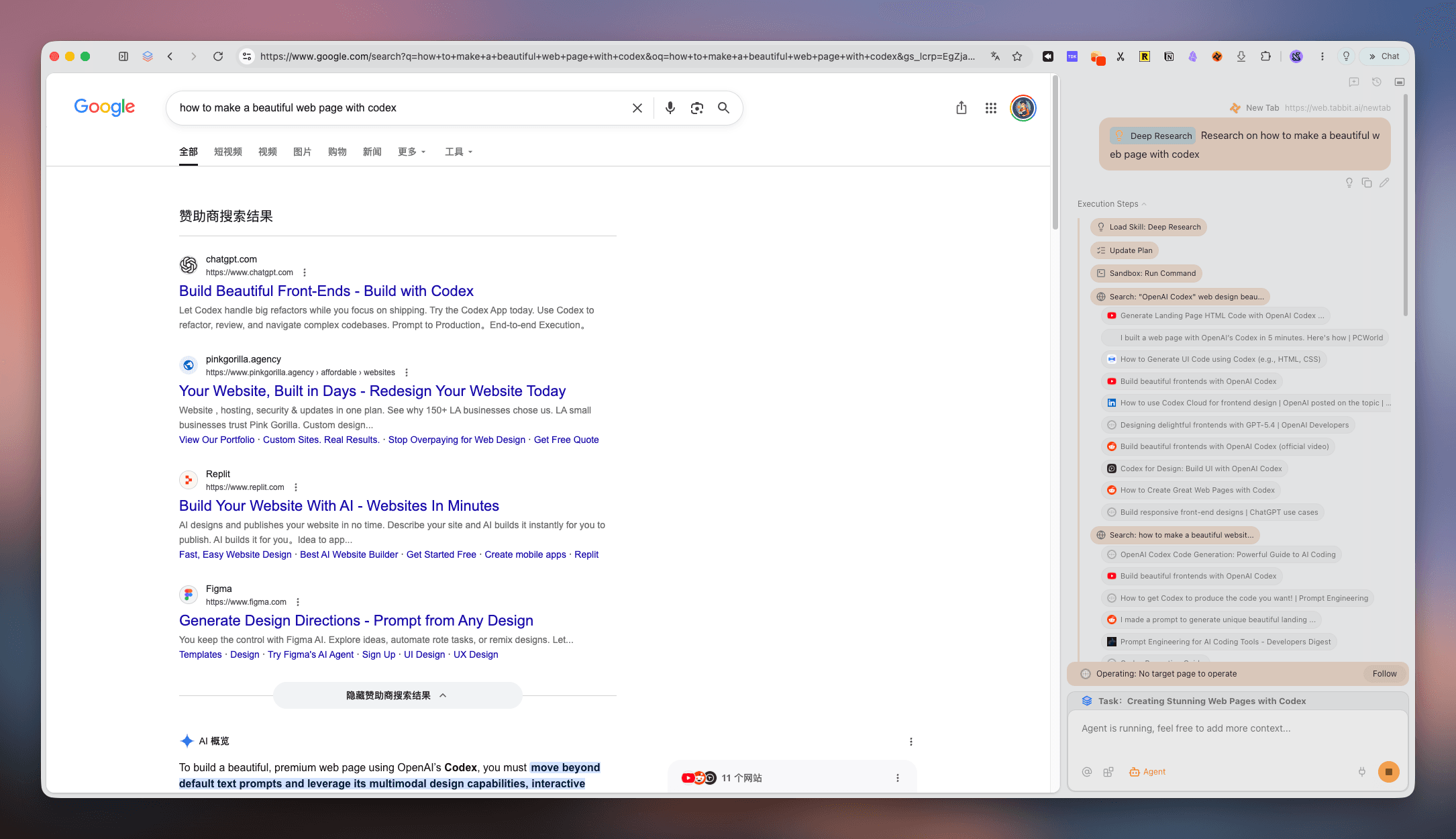
A wiki or campaign document can stay open while you ask for a scene recap, a missing detail, or a clean prompt draft.
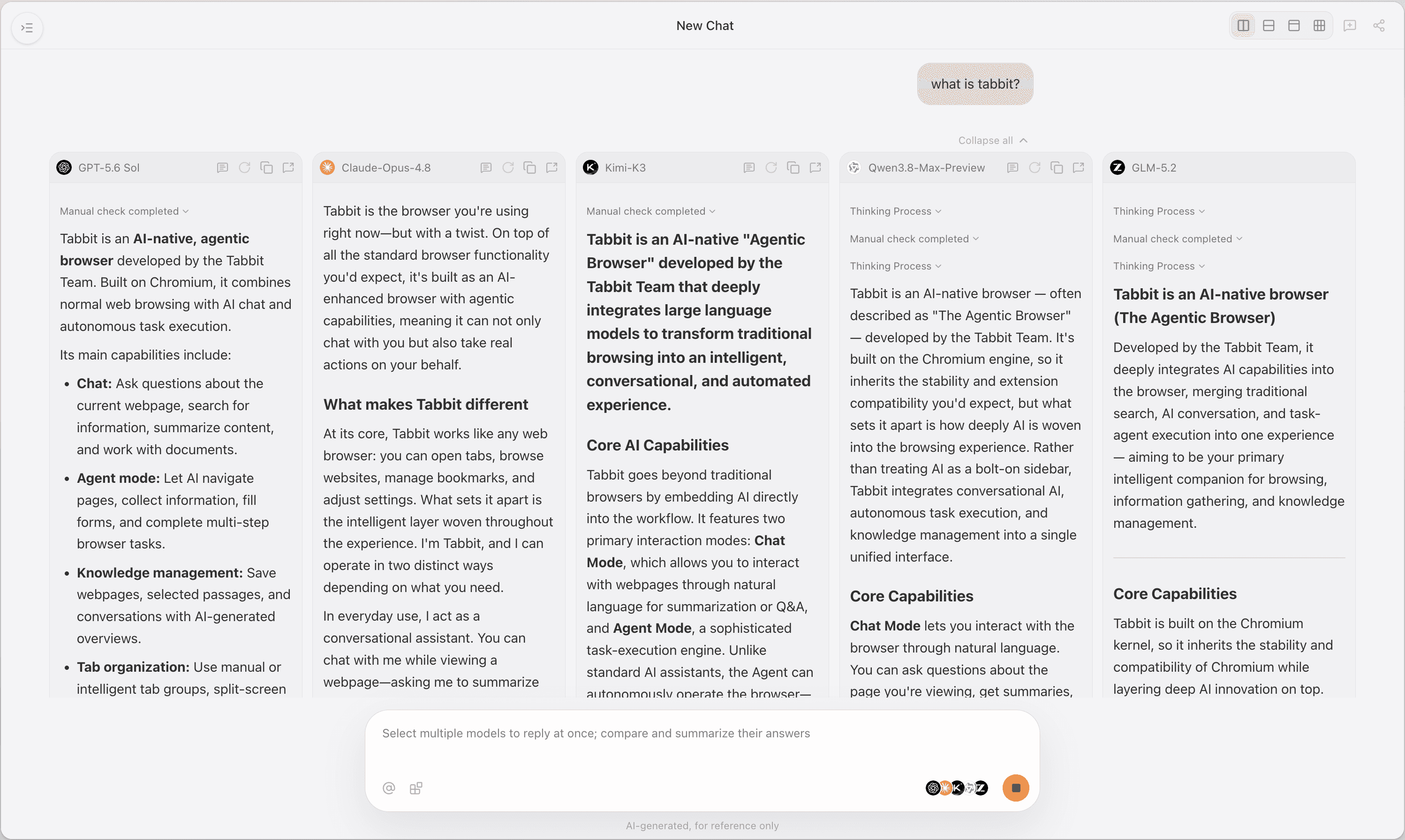
Tabbit can place multiple model replies side by side for a prompt comparison. Treat the answers as a reading aid, not a performance benchmark.
FAQ
DeepSeek’s current API docs list `deepseek-v4-flash` and say that stable name has been updated to V4-Flash-0731. They do not list a separate 0423 model name.
Use the ID your provider documents. The direct DeepSeek endpoint uses `deepseek-v4-flash`; OpenRouter uses `deepseek/deepseek-v4-flash`.
It may be a useful starting point, but no preset guarantees the same behavior after a provider update. Test it with your own character card and context.
No. SillyTavern remains the better fit for character cards, lorebooks, and its extension ecosystem. Tabbit is a browser-first way to chat with an available model while using live web or file context.
Verify the provider name, then choose the workflow that matches your session. For page-based context, start with Tabbit and the current DeepSeek model it exposes.
Available model names and provider routing can change. Check the in-product picker before you start.