FLOW BROWSER EXPLAINED · 2026
What Is Flow Browser?
Flow Browser is a privacy-first, minimalist open-source browser — but it has no built-in AI. Here’s what Flow is, where it falls short, and why Tabbit adds real AI execution to the same clean, focused experience.
Free for macOS & Windows
TWO PROJECTS, ONE NAME
Two different projects called “Flow”
Searching “flow browser” surfaces two very different products. Knowing which one you’re looking at matters before you download anything.
An embedded-systems browser engine
Developed by Ekioh in Cambridge, UK, this Flow uses a proprietary rendering engine with Mozilla’s SpiderMonkey JavaScript engine. It targets low-power devices like the Raspberry Pi and set-top boxes, renders via GPU with multithreading, and is still in beta. There are no plans for a desktop release.
- Proprietary engine, closed source
- Built for Raspberry Pi & set-top boxes
- Still in beta
- No desktop version planned
A minimal, privacy-first browser
The Flow most people mean is an open-source (GPLv3), cross-platform browser for Linux, macOS and Windows. It brings an Arc-inspired, minimalist UI with vertical tabs, privacy presets, Chrome extension support and a command palette — built on Electron. It’s still in early development, and it has no built-in AI.
- Open source under GPLv3
- Linux, macOS & Windows
- Vertical tabs + minimalist UI
- No built-in AI
So which Flow are people searching for?
For desktop users, the open-source Flow Browser is the relevant one — a clean, private, Arc-inspired browser that is still maturing and deliberately ships without AI.
WHAT FLOW GETS RIGHT
Why people like Flow Browser
The open-source Flow Browser earned a fast, loyal following. Here’s what it genuinely does well.
Privacy-first by design
First-run privacy presets (Private, Balanced, Personalized), content blocking, and no account required to browse.
Minimalist, Arc-inspired UI
Vertical tabs, clean surfaces and a command palette keep the browser out of your way and your attention on the page.
Open source (GPLv3)
Anyone can inspect, fork and build on the code — a major draw for privacy-conscious users.
Cross-platform
Available for Linux, macOS and Windows, with an Android build in the ecosystem.
WHERE FLOW FALLS SHORT
The gaps in Flow Browser
Flow is a promising start, but for everyday work it leaves several things on the table.
No built-in AI
Flow deliberately ships without AI. That keeps it simple, but there’s no summarization, no agent, no automation — every task is manual.
Early-stage software
The project is still in active early development. Reddit users call it promising but “not ready for production use yet.”
Electron resource footprint
Built on Electron, it carries a Chromium runtime; some users report higher memory use than native browsers.
Desktop ecosystem still maturing
Extensions, sync and mobile experiences are thinner than Chrome or Edge — and there’s no AI layer to make up for it.
SIDE BY SIDE
Flow Browser vs Tabbit
If you like Flow’s minimalism but need AI that actually executes, here’s how the two compare.
| Feature | Flow Browser | Tabbit |
|---|---|---|
| Built-in AI agent | No | Yes — Agent Mode |
| AI models included | None | GPT, Claude, Gemini & more, free |
| Deep research | No | Yes — runs research for you |
| Vertical tabs | Yes | Yes |
| Privacy controls | Yes — presets | Yes — you control AI context |
| Chrome extensions | Yes | Yes |
| Open source | Yes (GPLv3) | Free public beta |
| Cross-platform | Linux, macOS, Windows | macOS & Windows |
| Price | Free | Free |
THE FLOW EXPERIENCE, WITH AN AGENT
Tabbit keeps the focus and adds the AI
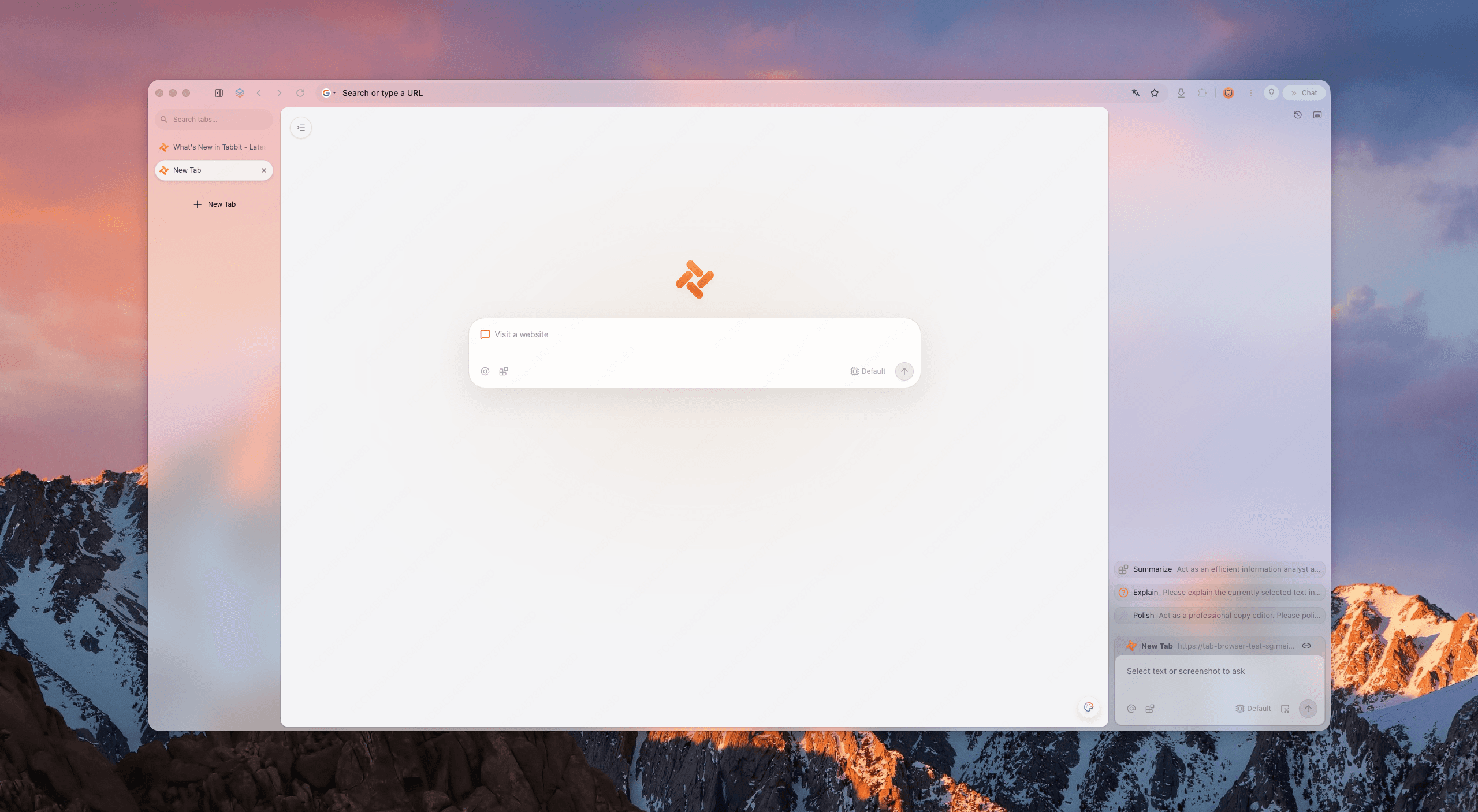
Tabbit shares Flow’s clean, focused philosophy — then goes further by turning the browser into an executor.
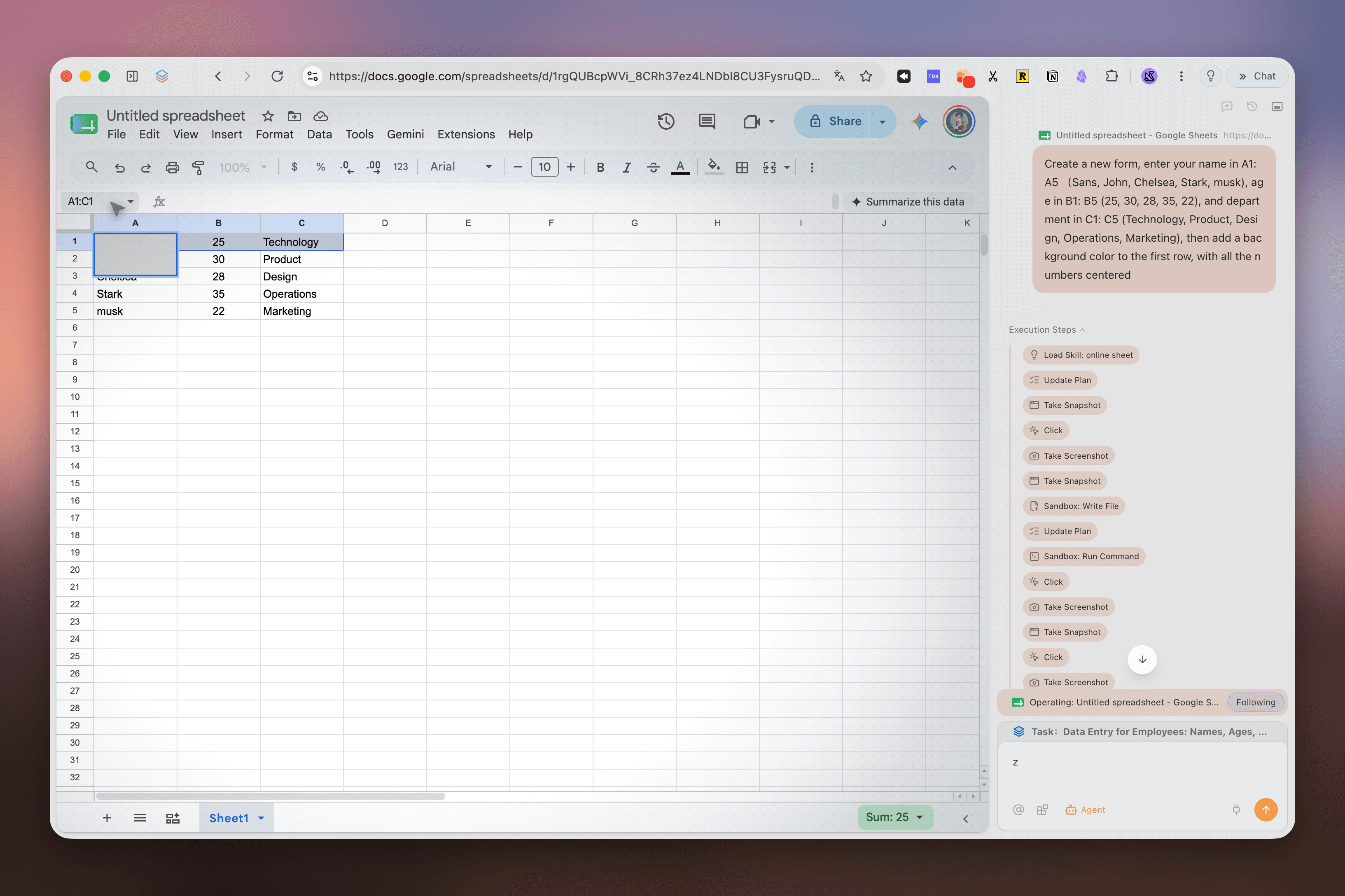
Agent Mode does the work for you
Tell Tabbit what to do in plain language and it reads pages, fills forms and moves across websites — in its own tab group, so your flow isn’t interrupted.
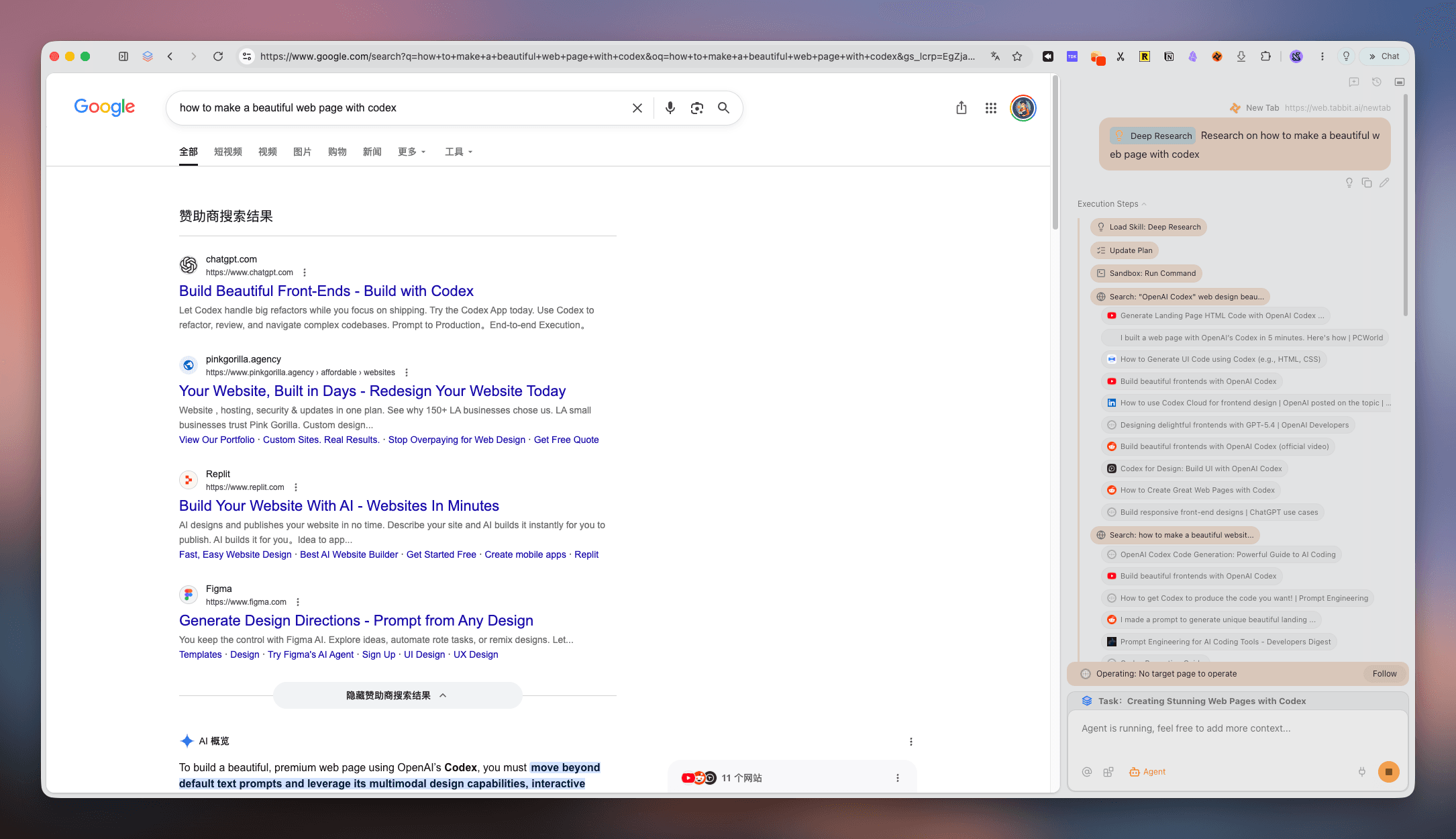
Deep research, automated
Ask for a structured research report and Tabbit searches, reads and synthesizes sources into a clean summary — deep work on autopilot.
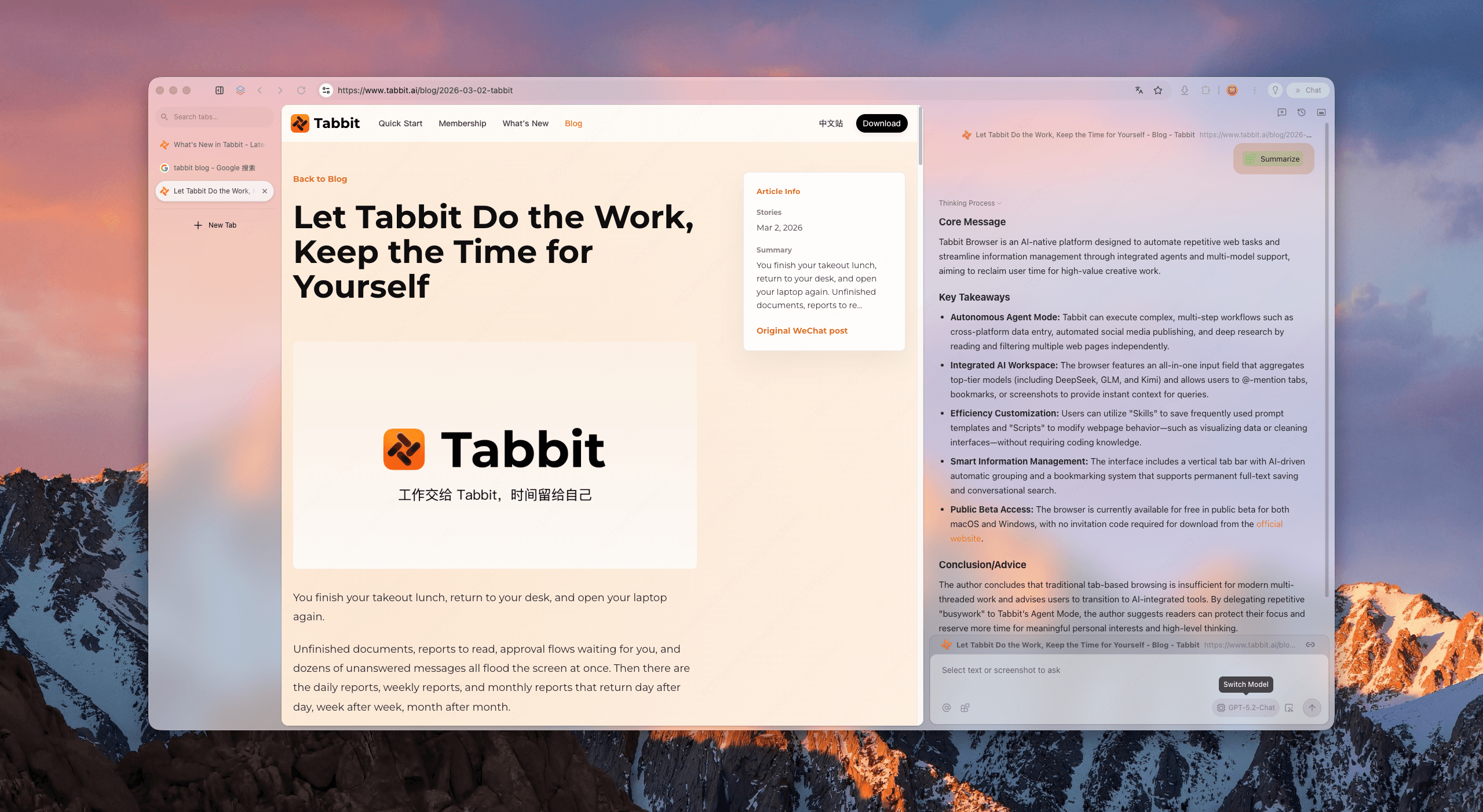
A copilot in the sidebar
Highlight anything and the sidebar summarizes, translates and answers — the same clean reading flow, with an assistant always one keystroke away.
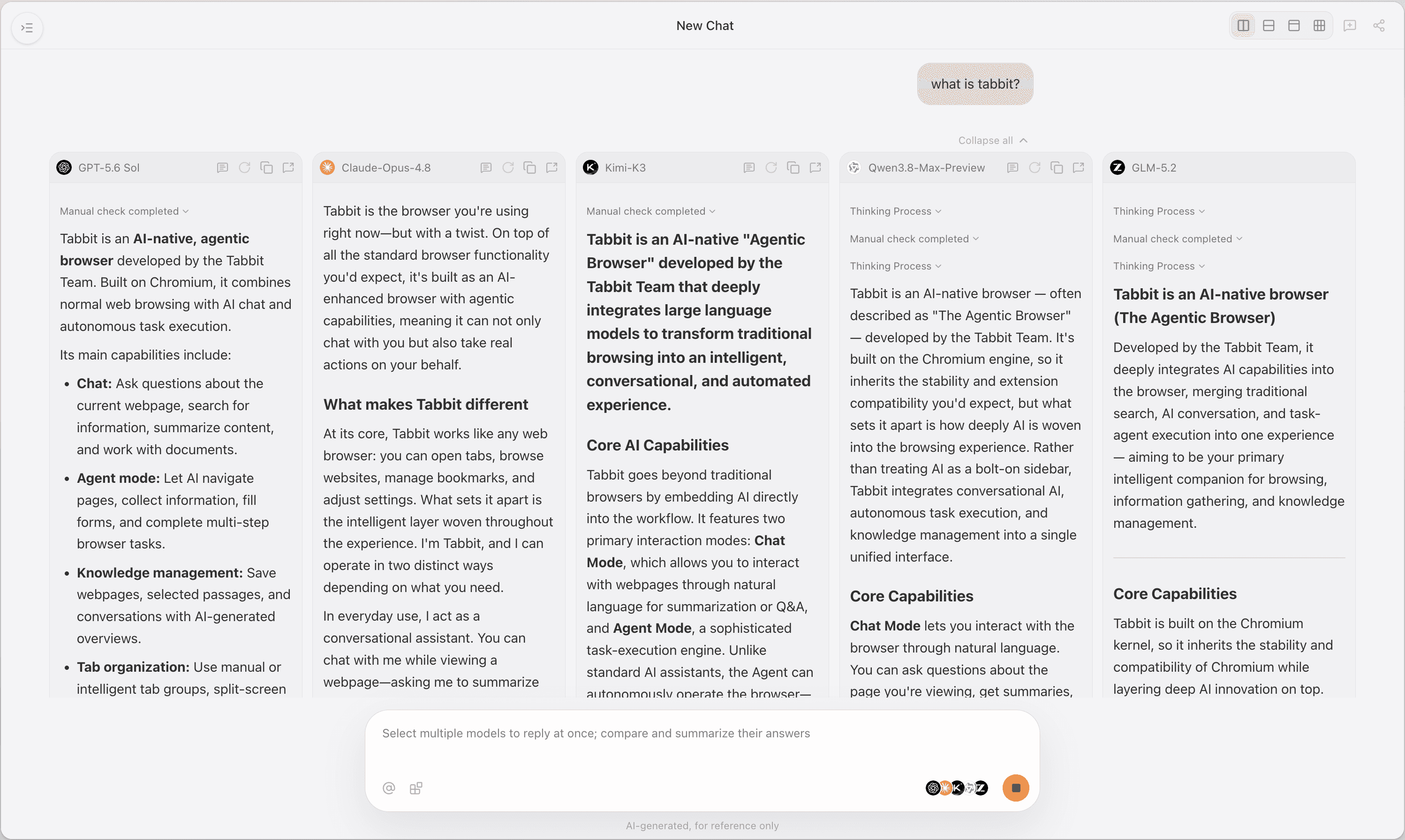
Free access to top models
GPT, Claude, Gemini and more are built in and free during the public beta — no API keys, no per-token billing.
SWITCH IN MINUTES
Switch from Flow, Chrome or Edge in minutes
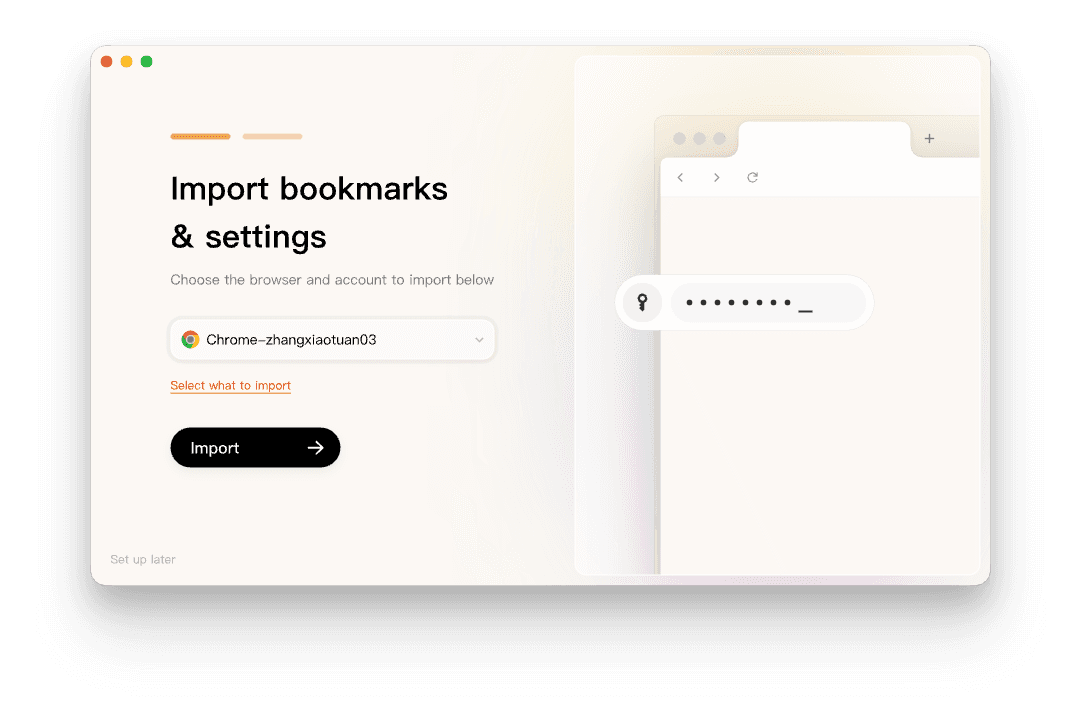
Tabbit imports your bookmarks, passwords, history and cookies with one click, so you keep your setup and gain AI.
Download Tabbit
Get the macOS or Windows installer from the official site.
Run the importer
Choose Chrome, Edge or your existing browser and pick what to bring over.
Sign in or stay local
Use Tabbit without an account, or sign in to sync across devices.
Ask your first task
Type a command in the omnibox and watch the Agent handle it.
FAQ
Frequently asked questions
What is Flow Browser?+
There are two: Ekioh Flow, an embedded-systems browser engine, and the open-source Flow Browser (MultiboxLabs), a minimalist, privacy-first browser for Linux, macOS and Windows. The open-source one is what most desktop users mean.
Does Flow Browser have AI?+
No. The open-source Flow Browser deliberately ships without built-in AI. If you want a minimalist browser with AI, Tabbit gives you the same clean interface plus real Agent execution.
Is Flow Browser safe?+
Flow Browser is open source (GPLv3), so its code is publicly inspectable, and it emphasizes privacy with first-run presets. As with any early-stage browser, test it before relying on it daily.
Is Flow Browser open source?+
Yes, the MultiboxLabs Flow Browser is released under GPLv3 and available on GitHub. Ekioh Flow, the embedded browser, is proprietary.
Is Flow Browser available on Windows, macOS and Android?+
The open-source Flow Browser supports Linux, macOS and Windows, and an Android build is part of the ecosystem. Ekioh Flow targets embedded devices rather than desktops.
Is Flow Browser ready for daily use?+
It’s promising and fast, but still in early development — some users call it “not ready for production use yet.” If you need stable, AI-assisted daily browsing, Tabbit is a more complete choice.
What’s the difference between Flow Browser and Ekioh Flow?+
Ekioh Flow is a proprietary browser engine for low-power embedded devices (Raspberry Pi, set-top boxes) with no desktop plans. The open-source Flow Browser is a minimalist desktop browser built on Electron.
What is the best AI browser alternative to Flow?+
Tabbit is the closest fit: the same minimalist focus and vertical tabs, plus built-in AI models, Agent Mode automation and deep research — free during the public beta.
Keep the focus. Add the AI.
Get the clean, focused browser experience you wanted from Flow — with an Agent that actually does the work.