Voice slips
The character starts with a distinct rhythm, then defaults to generic narration after a long scene.
GEMINI 2.5 FLASH-LITE × ROLEPLAY
Gemini 2.5 Flash-Lite is quick and inexpensive, but roleplay quality depends on the prompt you send every turn. Users report repeated phrasing, drifting character voice and uneven creativity. Start with a small contract, then test one setting at a time.
THE ROLEPLAY PROBLEM
A million-token input limit helps you carry lore, but it does not make every early detail equally memorable. Community reports describe two opposite experiences: natural, consistent Flash sessions and replies that rephrase the user or feel flat. Treat both as useful reports, not benchmark results.
The character starts with a distinct rhythm, then defaults to generic narration after a long scene.
The reply restates the user’s last move instead of adding a consequence or a new choice.
A huge card or lorebook may bury the scene state. Keep durable canon separate from what changed this turn.
WHAT GOOGLE DOCUMENTS
Google lists Gemini 2.5 Flash-Lite as a stable multimodal model for high-frequency, lightweight tasks. It accepts text, image, video, audio and PDF input and returns text. The documented limit is a ceiling, not a promise of perfect recall.
Use `gemini-2.5-flash-lite`. Google lists `gemini-2.5-flash-lite-preview-09-2025` as shut down.
The input limit is 1,048,576 tokens and the output limit is 65,536 tokens. Quota still depends on the project and usage tier.
Google lists thinking, caching, function calling, structured output, URL context, Search grounding, code execution and file search as supported.
A blocked or empty response can have safety feedback or a formatting problem. Respect provider policy and inspect the finish details.
A CONTROLLED RP LOOP
Use the same short scene to compare changes. Record the model, prompt version, context size, output length and one quality note. This takes less time than rebuilding a preset after five changes at once.
Tell the model who it controls, what it must advance, and what it must leave to the user. Add: “Do not restate the user’s action. End with an opening the user can answer.”
Keep current location, relationships, unresolved actions and tone in a short scene-state block. Put durable canon in lore entries that activate only when relevant.
Ask for a range that fits your turn, such as two to four paragraphs. If replies feel clipped, raise the limit before raising temperature.
Test temperature or top-p, not both. Keep the character card and user turn identical, then compare two or three generations.
For repetition, shorten the instruction and remove duplicated examples. For drift, add one concrete canon reminder. For a block, read safety feedback and revise benign wording.
Do not use jailbreaks or filter bypasses. They make results harder to diagnose and can violate the provider’s rules.
TROUBLESHOOTING
The first useful clue is usually the request and response state, not a new preset downloaded from a forum.
| Symptom | Try first | Then check |
|---|---|---|
| Repeats or paraphrases my turn | Add a direct no-restatement rule and shorten duplicated examples. | Compare the same prompt with one card change. |
| Character voice drifts | Keep a compact scene-state block with one voice cue. | Check whether old lore is crowding the current turn. |
| Reply is too short | Raise the output limit or specify a paragraph range. | Only then test temperature. Do not change top-p at the same time. |
| 429 RESOURCE_EXHAUSTED | Wait, lower request frequency and reduce context or output. | Review project RPM, TPM and RPD. A new key in the same project may not help. |
| Empty or blocked reply | Try a short benign prompt and inspect finish and safety details. | Test formatting and streaming before rewriting the whole card. |
WHERE TABBIT FITS
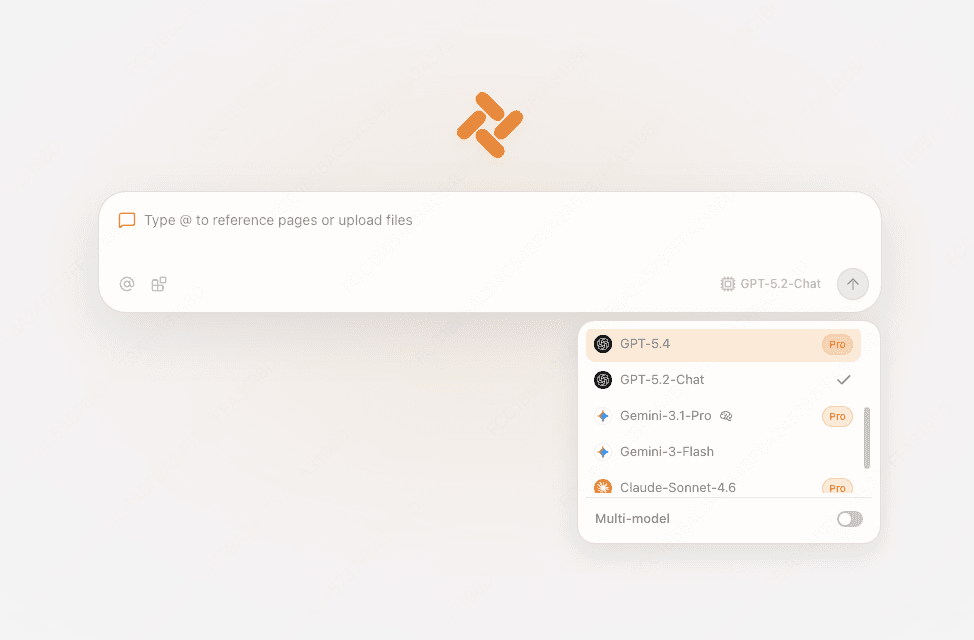
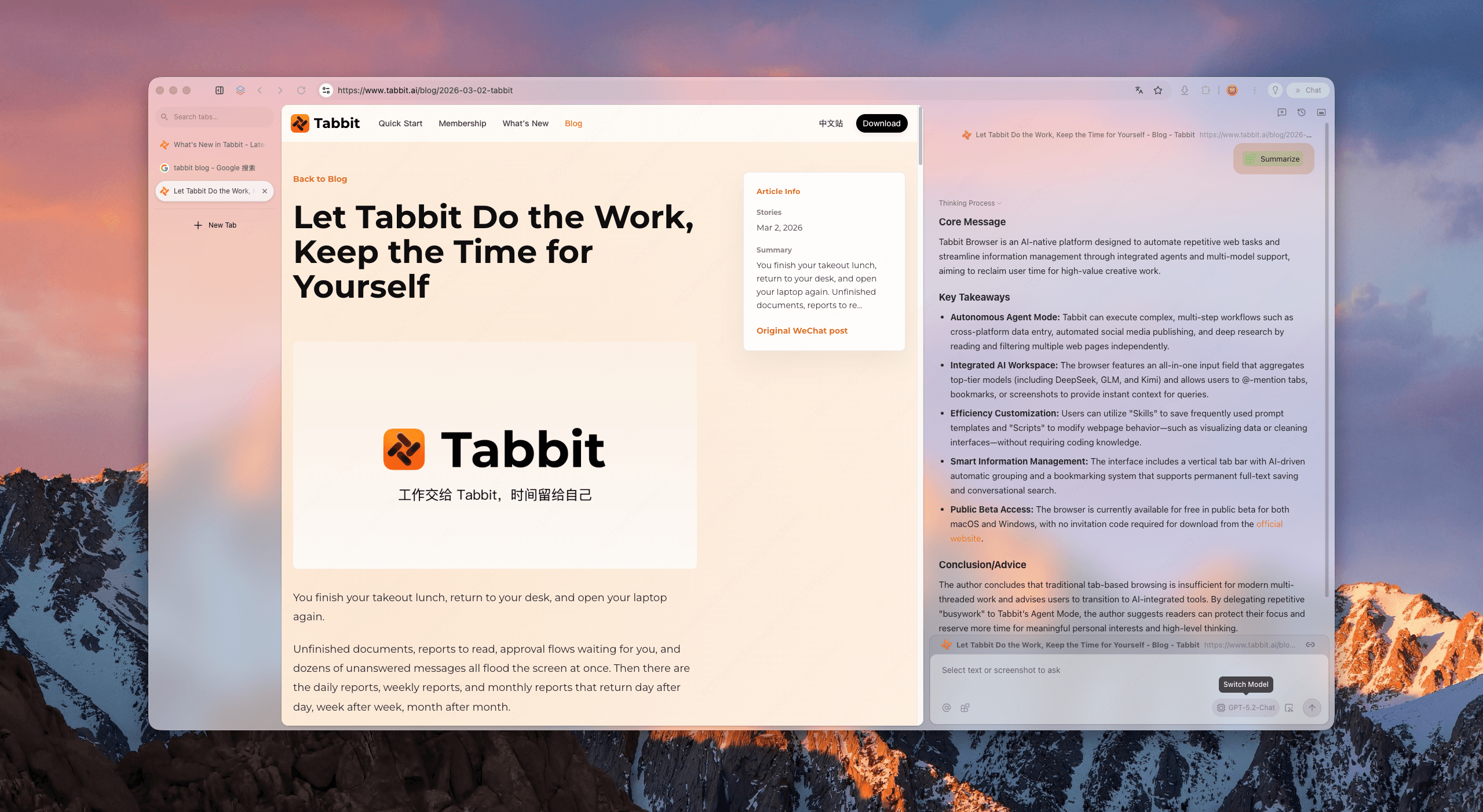
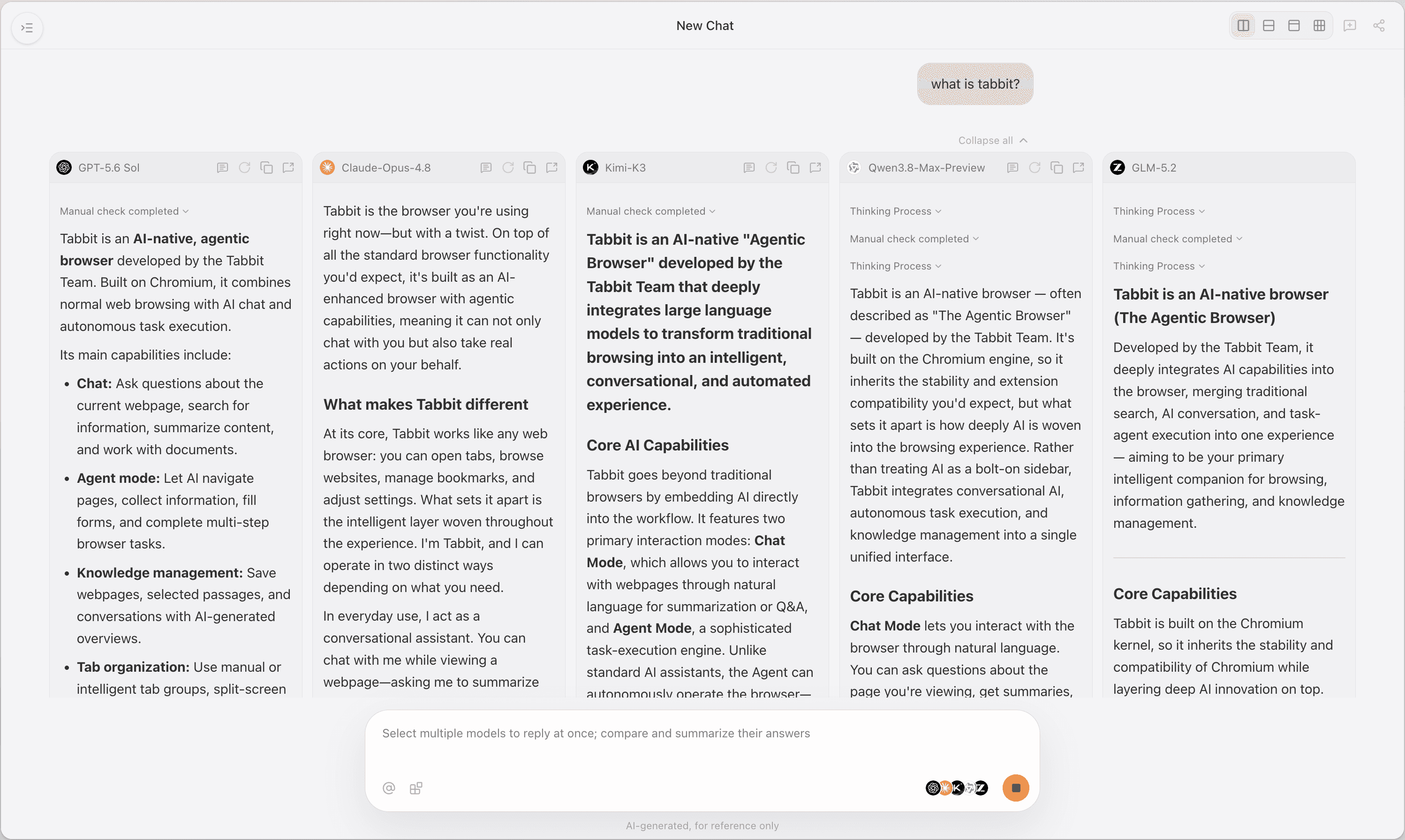
Tabbit gives your roleplay research a browser home. Keep a world wiki, reference images and a scene outline in tabs, then ask a browser-native model to summarize or check continuity. The current international picker snapshot includes Gemini 2.5 Flash-Lite, but availability and quotas can change.
Leave a lore wiki, character sheet or PDF open. The page stays available while you compare prompts.
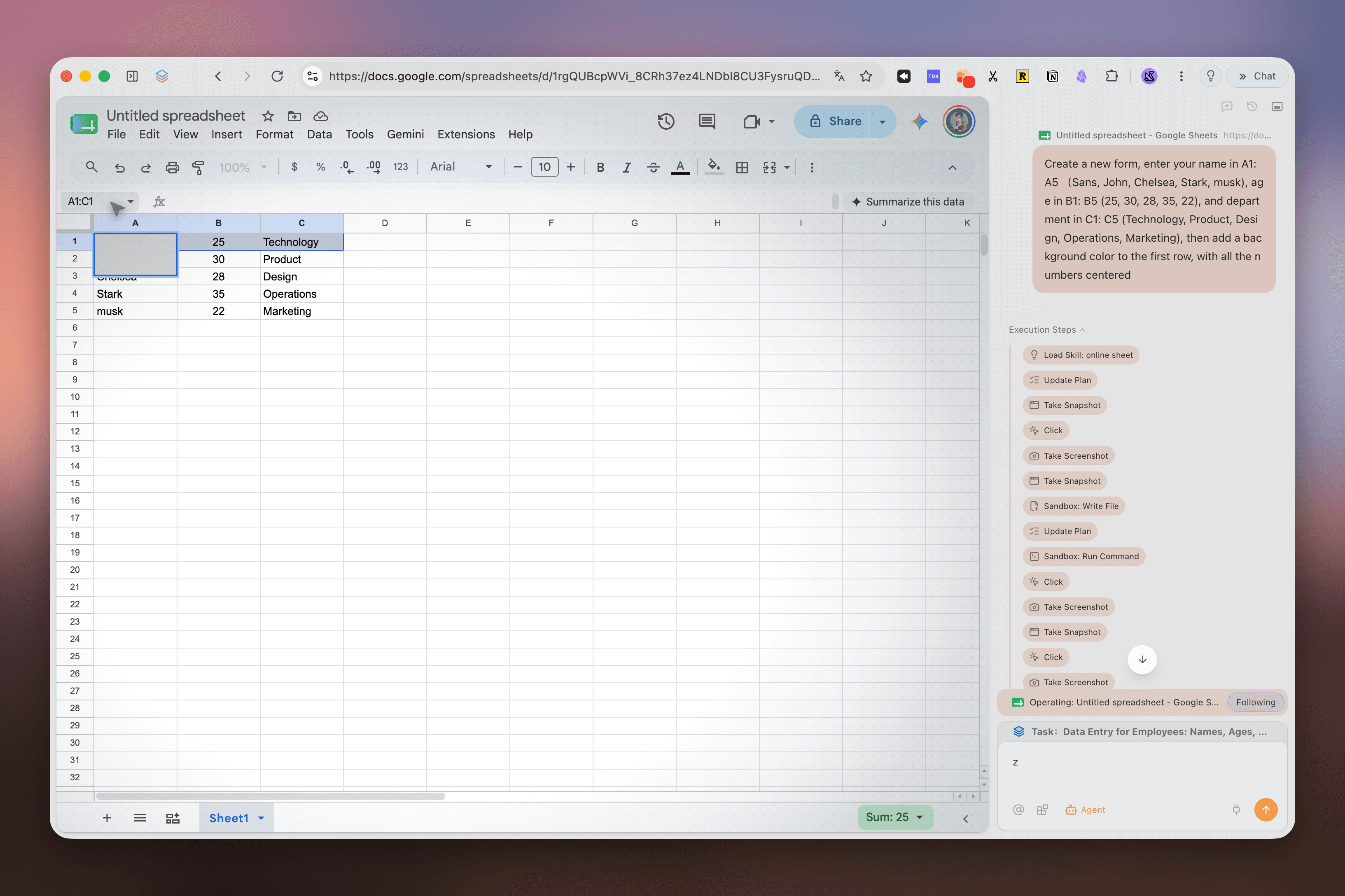
Reference an open page, screenshot or local file with @. Ask for a short continuity checklist instead of pasting the whole wiki.
The current production snapshot lists Gemini 2.5 Flash-Lite in the international model catalog. If your picker differs, use a listed model and check its limits. Tabbit does not accept your SillyTavern provider key.
WHAT GOOGLE DOCUMENTS
The input limit is 1,048,576 tokens and the output limit is 65,536 tokens. Quota still depends on the project and usage tier.
READ THE SOURCES
FAQ
It can be a useful fast, low-cost option. Community experiences vary: some report consistent narrative voice, while others report repetition or flatter prose. Run a fixed prompt test before deciding.
Use `gemini-2.5-flash-lite`. Google lists the `gemini-2.5-flash-lite-preview-09-2025` preview as shut down.
No. It is the documented input limit. A rolling scene-state block still helps keep current facts visible.
No. Keep one variable fixed while you compare. Start with a stable prompt and output target, then change temperature or top-p alone.
Community users report rephrasing and repetition. Add a direct rule not to restate the user, remove duplicate examples and compare the same turn after one change.
Do not try to bypass safety systems. Read the finish and safety feedback, keep the request benign and revise the scene wording when appropriate.
The current international production model snapshot lists Gemini 2.5 Flash-Lite as enabled in the picker. Your account or edition may differ, and the page does not promise unlimited access or SillyTavern provider injection.
No. SillyTavern remains the place for character cards and provider-specific RP controls. Tabbit keeps browser references, files and model context beside your work.
Use the exact model ID, change one setting at a time and keep safety feedback in the loop. Open Tabbit when your next turn depends on a wiki, screenshot or file.
Available for macOS and Windows. Model availability and limits can change.