Official checkpoint
The official `mistralai/Mistral-Small-3.2-24B-Instruct-2506` card is a reference for the model and its recommended system prompt. It is not a SillyTavern preset file.
MISTRAL 24B PRESET
A Mistral 24B preset can carry a model name, author notes, chat template, system prompt and sampler values. If the source, version or quantization differs, the same file may cause empty replies, visible role markers, loops or the model speaking for you. Check the layers before you import.
START WITH THE SOURCE
Community presets are useful starting points, not universal truth. Record the file name, author, source post and the model family it names. Never turn a search result into a download link.
The official `mistralai/Mistral-Small-3.2-24B-Instruct-2506` card is a reference for the model and its recommended system prompt. It is not a SillyTavern preset file.
A community preset may be posted by a named creator in SillyTavern or a model discussion. Keep the creator and original post beside your copy, and check its update date.
Names such as Cydonia, Magistry or another RP merge identify a different artifact. Its prompt style and sampler advice may not carry over to official Small 3.2.
GGUF, AWQ and Q4/Q5/Q6 labels describe a format or quantization. Match the preset to the exact repository, quant author and context limit.
CHOOSE, THEN IMPORT
Use the shortest path that leaves an audit trail. Keep the original preset untouched, import a copy, and change one layer at a time.
Copy the complete model ID, version and quantization from the model card or endpoint. “Mistral 24B” alone cannot tell you which template the preset expects.
Open the original post or repository. Look for a stated backend, tested model, license and revision. If the source is missing, treat the preset as an experiment.
In SillyTavern, import the preset through the settings area, then rename the copy with the model ID and date. Do not overwrite your known-good baseline.
Confirm whether the backend, tokenizer or SillyTavern builds the Mistral chat template. Two layers applying role markers can produce broken prompts.
ROLEPLAY TUNING
A wrong template can look like a weak model. Fix formatting and context first, then tune generation with a short repeatable test.
Let the tokenizer or serving stack apply the model chat template where possible. If `<s>`, role markers or tool tokens appear in the reply, stop and correct formatting.
Separate fixed character facts, current goals and temporary scene state. Remove duplicate lore and instructions that tell the model to write both sides of the conversation.
Use the model card or fine-tune card’s values first. For 3.2, the official card recommends a relatively low temperature such as 0.15 for general use; RP fine-tunes may publish different values.
A stop string from Llama or ChatML can truncate Mistral output or leak markers. Copy the exact stop advice for the checkpoint and test a two-turn chat.
Community reports mention speaking for the user, odd narration, null responses, repetition and slow quantizations. These are useful symptoms, not proof that every Mistral 24B file behaves the same way.
SYMPTOM → CHECK → FIX
Change one variable, save the result, and repeat the same short prompt. The fastest fix is usually a name, endpoint or template mismatch.
| Symptom | Check | Next move |
|---|---|---|
| Null or empty response | Endpoint status, model slug, context template and stop strings. | Send a tiny one-turn prompt, then switch to the exact Mistral template supplied by the backend. |
| Role markers appear in text | Who applies the chat template: SillyTavern, server or tokenizer? | Keep one template owner. Remove duplicated formatting and inspect the raw prompt if the backend exposes it. |
| The model writes for the user | Character card instructions and example dialogue. | State user agency plainly, delete conflicting examples, and test with a short choice prompt. |
| Repetition or looping | Duplicate lore, context size, sampler and quant file. | Reduce prompt noise, return to the card baseline, then change one sampler value. Try another quant only after the baseline is stable. |
| Very slow or falling tokens/sec | Quant type, GPU offload, RAM/VRAM pressure and context length. | Compare the file’s memory requirement with your hardware. Partial CPU offload can be much slower than full GPU placement. |
| Wrong model behavior | Base versus instruct, 3.1 versus 3.2, and official versus community repository. | Copy the full ID into your notes and reapply that repository’s own card and settings. |
A RESEARCH WORKSPACE, NOT A RUNNER
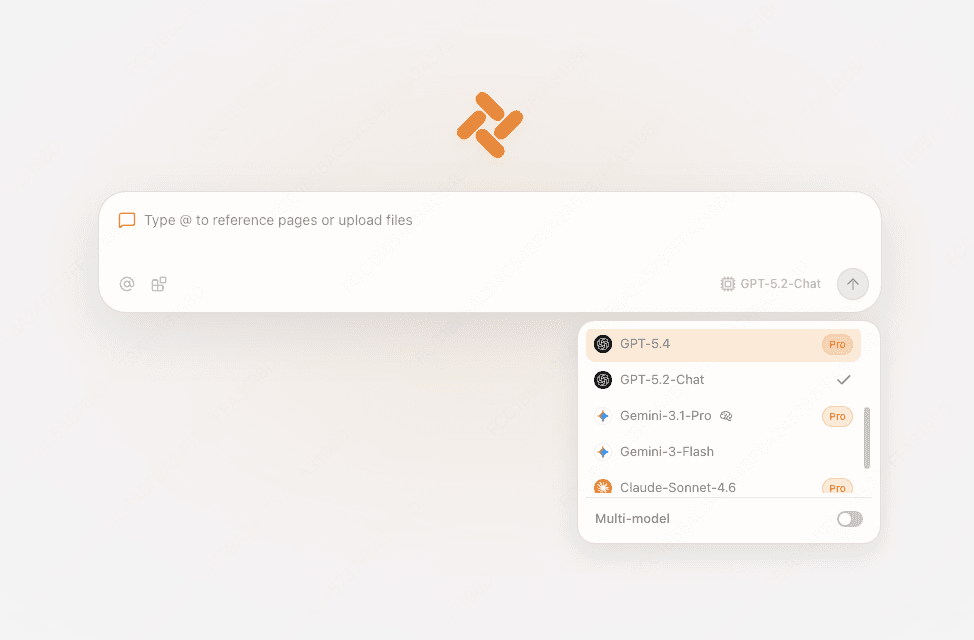
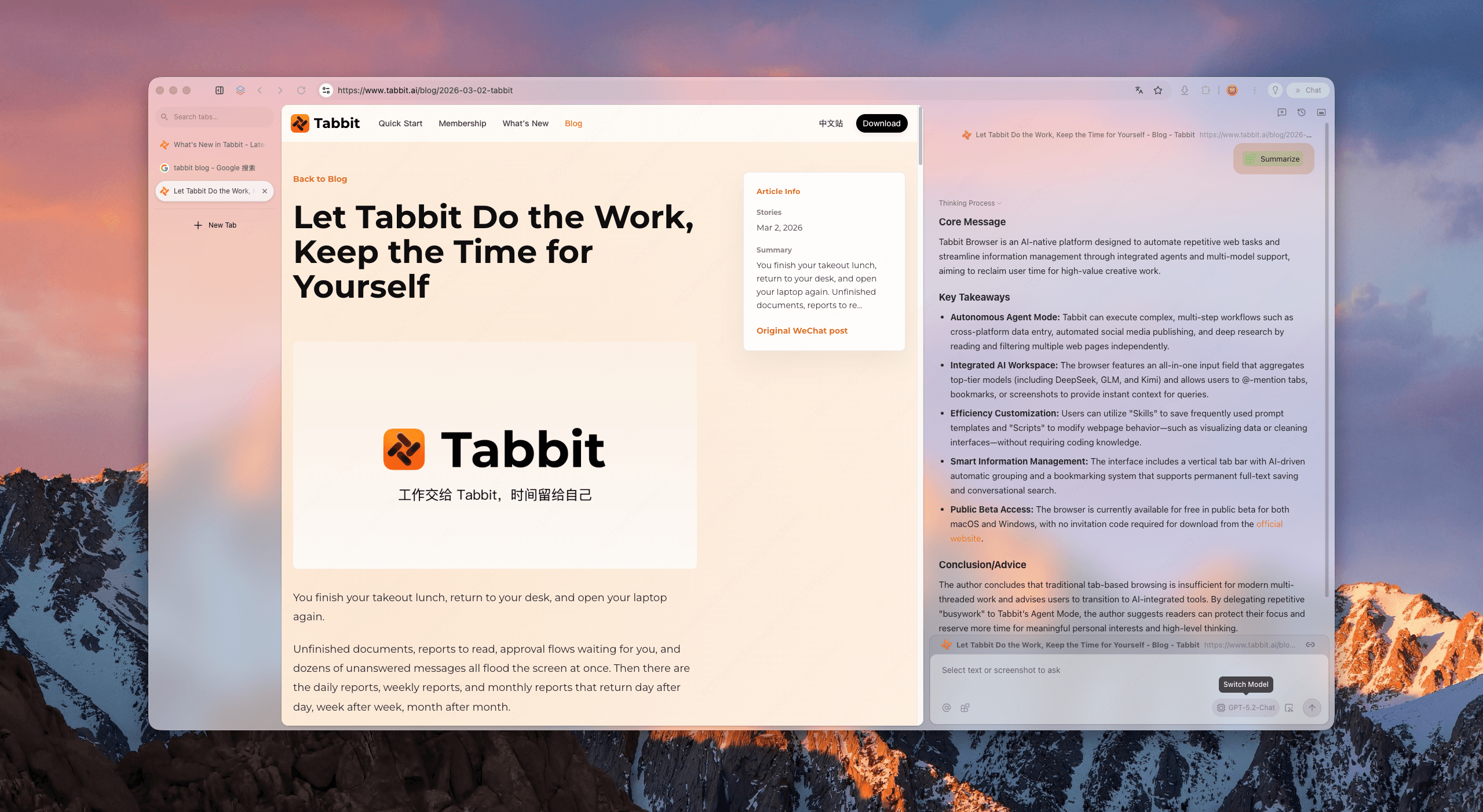
Tabbit does not replace SillyTavern or run this local checkpoint. Its current public model directory does not list Mistral. Use it to collect model cards, compare quant files, keep prompt notes and read community reports without losing the source tabs.
Keep the exact ID, hardware note and template instructions visible. Add a community fine-tune card only after you have separated it from the official checkpoint.
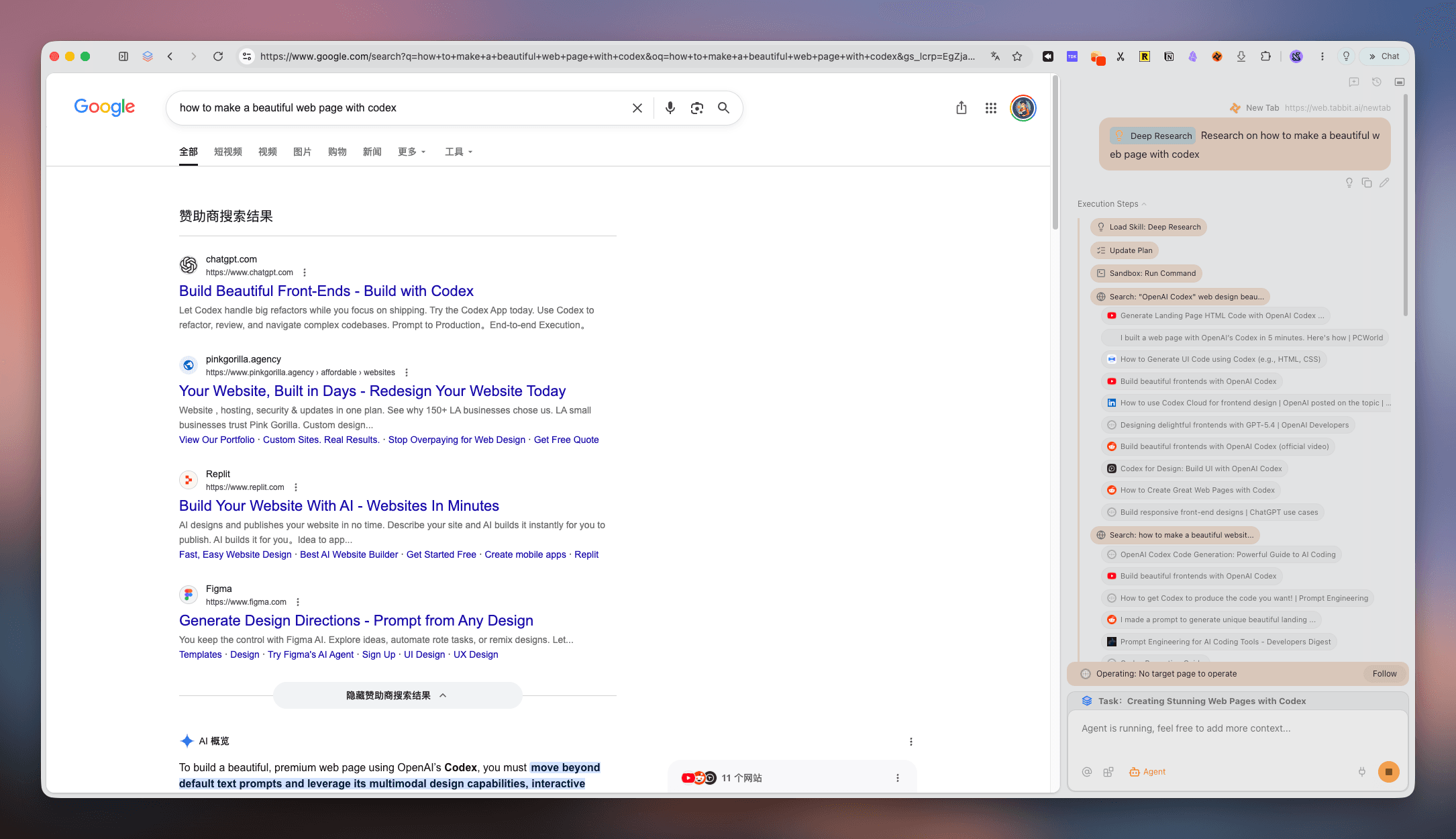
Use @ to bring a page, screenshot or local note into the prompt. Ask for a checklist that preserves model IDs and flags unsupported assumptions.
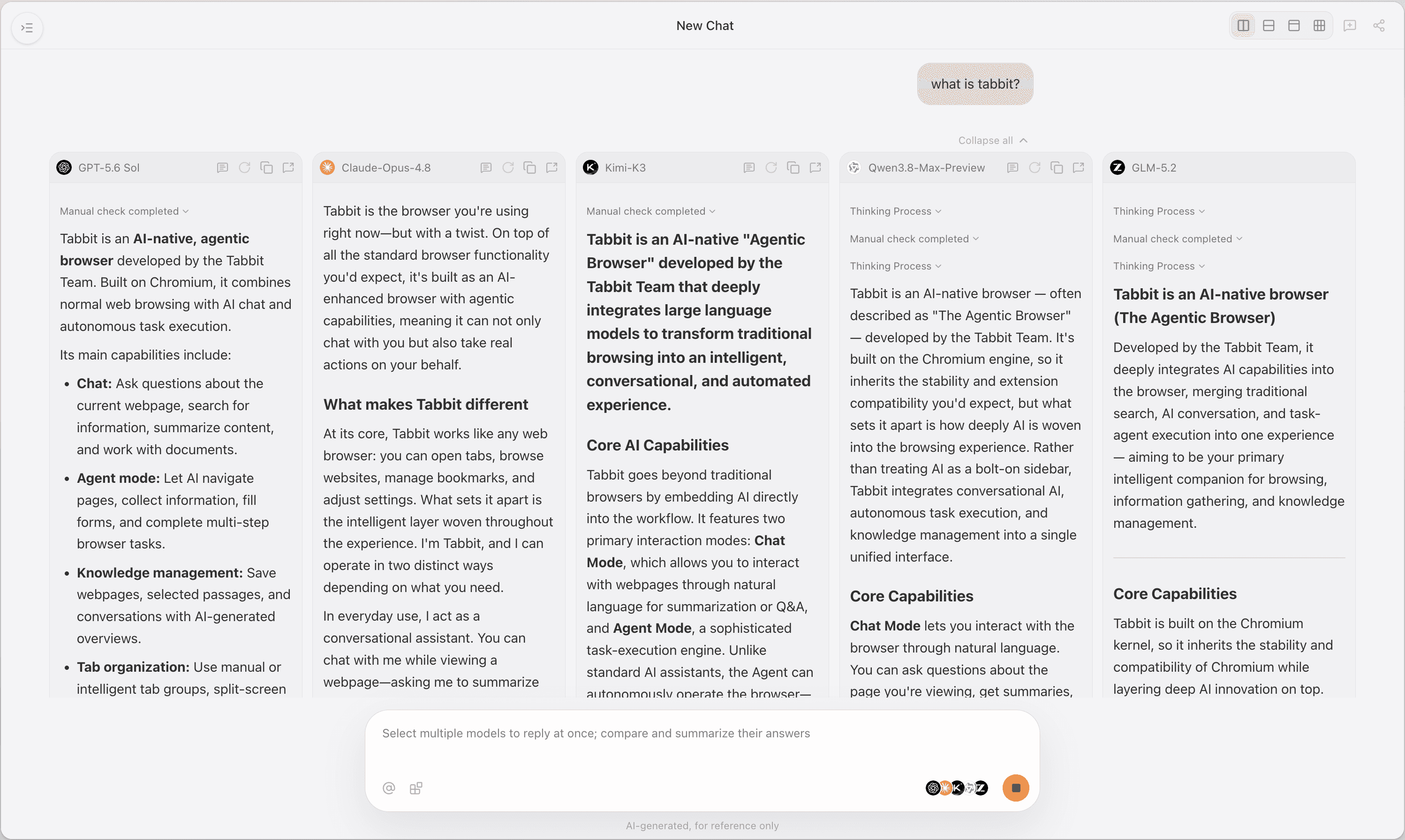
Tabbit can compare the model options available in its own picker and summarize differences between sources. The picker changes over time, so verify the live list after installation.
CHOOSE THE RIGHT SURFACE
These tools solve different problems. Keep SillyTavern for cards, samplers and your chosen backend. Use Tabbit when the hard part is gathering information across pages and files.
| SillyTavern + backend | Tabbit | |
|---|---|---|
| Run Mistral 24B locally | Yes, with a compatible server | Not promised |
| Character cards and samplers | Detailed controls | Reference notes and cards |
| Official and community sources | Paste or switch apps | @ tabs, files and pages |
| Model comparison | Change endpoint or preset | Compare models shown in its picker |
| Hardware diagnostics | VRAM, offload and tokens/sec | Organize the evidence |
FAQ
It usually refers to a 24-billion-parameter Mistral Small checkpoint, but search results also use it for 3.1, 3.2, quantized files and community RP merges. Use the full repository ID.
The current official page for this guide is `mistralai/Mistral-Small-3.2-24B-Instruct-2506`. It is a minor update to 3.1. Choose the exact release your server or provider offers.
The 3.1 announcement says it can run on a single RTX 4090 or a 32GB Mac, while the 3.2 card notes about 55GB of GPU RAM for BF16/FP16. Quantized files have different requirements, so check the actual file.
Follow the backend and model card. SillyTavern documents that the choice controls how messages become a prompt, not whether the model is local or cloud-hosted.
Check the model ID, chat template, duplicate card text and sampler in that order. Community reports describe these symptoms, but a mismatch in the frontend can produce the same result.
Do not assume it. Mistral was not visible in Tabbit’s public model directory when this page was checked. Tabbit is offered here for source collection, comparison and browser-based research.
Start with the exact Mistral ID, connect the serving layer, then tune SillyTavern with a small test. Use Tabbit when your setup research is spread across model cards, quant pages and community threads.
Available for macOS and Windows. Tabbit’s model list can change.