Android Privacy Guide · 2026

Privacy Browser for Android in 2026

The most private Android browser depends on how you browse: Brave blocks trackers out of the box, Firefox adds desktop-grade extensions like uBlock Origin, DuckDuckGo makes one-tap clearing effortless, and Tor offers real anonymity. We compared them all — and then looked at what privacy means when AI enters the picture.

Tabbit is desktop-first (macOS & Windows). Pick your private Android browser below, then pair it with Tabbit on your computer for AI that respects your context.

See the top picks
Quick answer

Best private Android browser for every priority

Short on time? Here is the quick verdict.

Best default privacy

Brave

Blocks ads, trackers, and fingerprinting by default with Shields — no setup required.

Best with extensions

Firefox

Runs real mobile add-ons like uBlock Origin for hardcore tracking protection.

Simplest one-tap privacy

DuckDuckGo

Blocks hidden trackers and wipes everything with a single Fire Button tap.

Most anonymous

Tor

Routes traffic through the onion network to hide your IP and activity.

Most customizable

Vivaldi

Fine-grained privacy controls, tab stacks, and full interface customization.

Desktop AI companion

Private Android browser + Tabbit

Browse privately on your phone, then hand deep research and tasks to Tabbit on desktop.

The ranking

Top private browsers for Android, compared

We ranked the eight privacy-focused Android browsers most worth installing in 2026, weighing default blocking, fingerprinting resistance, extension support, transparency, and everyday usability.

01

Brave

Private by default, with a built-in ad and tracker blocker.

People who want strong privacy without touching any settings

  • Brave Shields block ads, trackers, and fingerprinting out of the box
  • Saves data with lighter pages
  • Available on Google Play and F-Droid

A few sites may ask you to turn Shields off to show content.

02

Firefox

The open-source all-rounder with real extension support.

Users who want uBlock Origin and desktop-grade add-ons on Android

  • Enhanced Tracking Protection by default
  • Supports mobile extensions like uBlock Origin
  • Firefox Sync across desktop and Android

Slightly heavier than Chromium browsers in battery tests.

03

DuckDuckGo

The simplest private browser on Android.

One-tap privacy without settings or learning curves

  • Blocks hidden third-party trackers automatically
  • Fire Button clears tabs and data instantly
  • Private search with no profiling

Fewer features and no desktop-grade extension support.

04

Firefox Focus

A dedicated private session browser that erases itself.

Quick sensitive searches you want gone the moment you close the tab

  • Automatic tracking protection
  • One tap wipes history, cookies, and trackers
  • Lightweight and fast

Not designed as a full daily browser — sessions are throwaway by design.

05

Tor

The gold standard for real anonymity on Android.

Journalists, activists, and anyone who needs to hide their IP

  • Traffic routed through the onion network
  • Hides your IP and browsing from local observers
  • Open source and heavily audited

Slow by design; some sites block Tor exit nodes.

06

Vivaldi

The most customizable private browser on Android.

Power users who want granular control over privacy and interface

  • Built-in tracker and ad blocking
  • Tab stacks and extensive UI customization
  • End-to-end encrypted sync via Vivaldi account

Feature-dense; can feel overwhelming for casual users.

07

Privacy Browser

An open-source browser that minimizes data by default.

Privacy purists who want maximum data minimization

  • JavaScript and cookies off by default, enabled per site
  • Open source under GPLv3+
  • Available on F-Droid and Google Play

The strict defaults break many modern websites until you allow them.

08

IronFox / Cromite

Hardened open-source forks for people who want Chromium without Google.

Users who want a familiar Chromium UI with stricter privacy

  • Built-in ad blocking and anti-fingerprinting
  • No Google account or telemetry
  • Actively maintained community forks

Smaller teams than mainstream browsers; check update cadence.

At a glance

Android privacy browser comparison table

A quick feature check across the top five privacy picks. All of them are free.

FeatureBraveFirefoxDuckDuckGoTorVivaldi
Default tracker blockingYesYesYesYesYes
Ad blocking built inYesLimitedYesNoYes
Anti-fingerprintingStrongModerateBasicStrongModerate
Extension supportLimitedExcellentNoneLimitedLimited
One-tap clearNoNoYesNoNo
Open sourceYesYesPartialYesNo
Cross-device syncYesYesNoNoYes
Built-in AILeoNoneDuck.aiNoneNone
Beyond blocking

What "private" really means on Android

A private browser is about more than hiding ads. Three layers decide how much of your data stays yours.

Blocking

Stopping ads, trackers, and fingerprinting scripts before they collect anything. Brave Shields and uBlock Origin are the strongest here.

Data minimization

Sending as little as possible to the internet in the first place. Privacy Browser defaults JavaScript and cookies off; Tor hides your identity entirely.

Context control

Knowing exactly what an AI assistant sees and does with your browsing. This is the layer most privacy browsers ignore — and where a desktop AI browser like Tabbit changes the game.

Your private desktop AI companion

Private browsing on your phone, private AI on your desktop

Tabbit does not have an Android version yet. But privacy is not only a phone problem — your deepest research and most sensitive tasks usually happen on a desktop. Tabbit is built so AI can help without owning your data.

01 / 04

Local context, not a cloud history

Use the @ omnibox to bring in exactly the page, tab group, or file you are looking at. The AI works from what you choose to share — not your whole browsing history.

Tabbit Browser showing an article open with an AI summary sidebar that references the current page
02 / 04

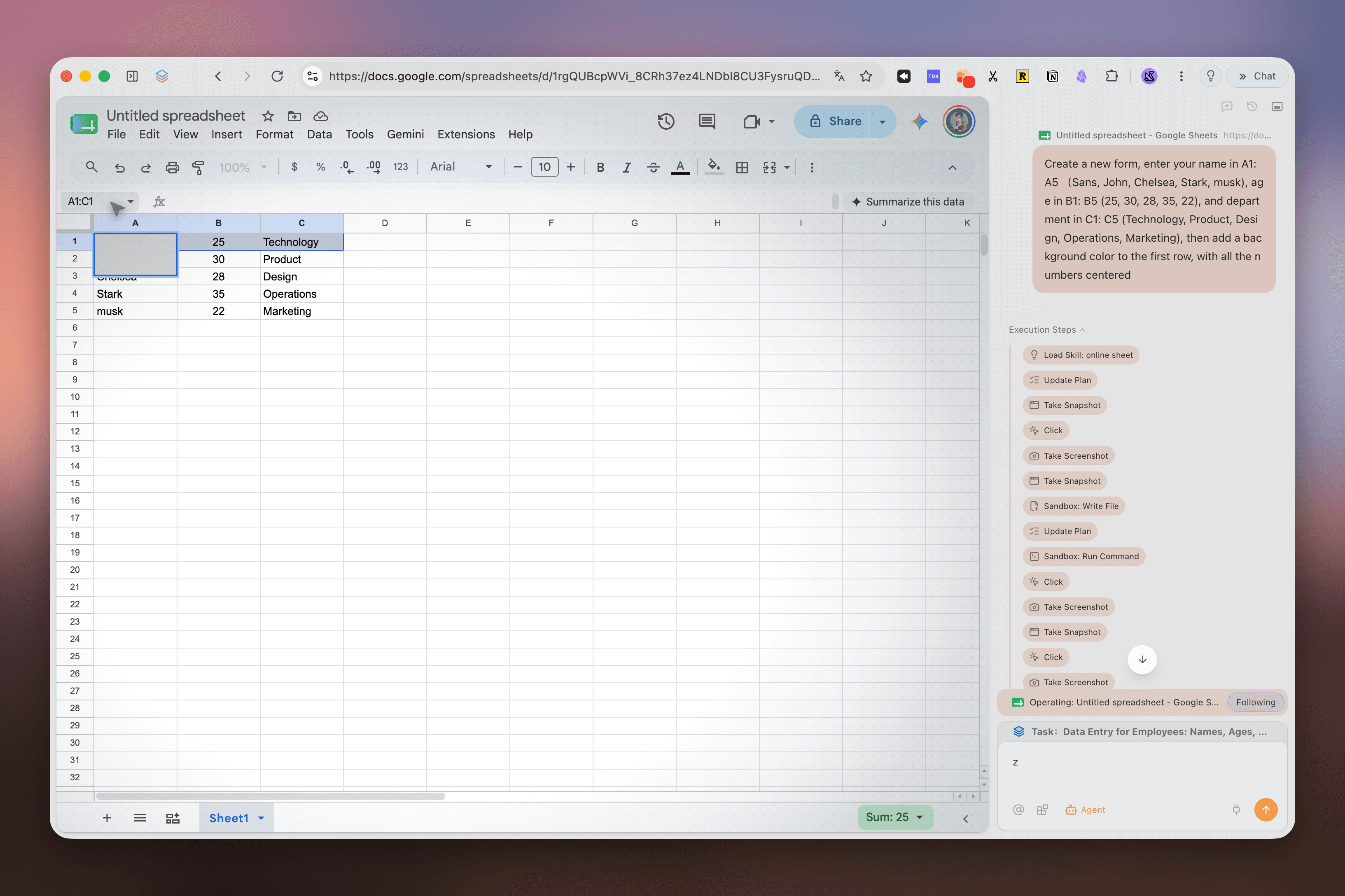
Agent that acts only on your command

Hand repetitive tasks to Tabbit Agent: filling forms, gathering research, organizing tabs. Every execution step is visible in a side panel, so you stay in control.

Tabbit Agent mode automatically filling a spreadsheet while a side panel lists each execution step
03 / 04

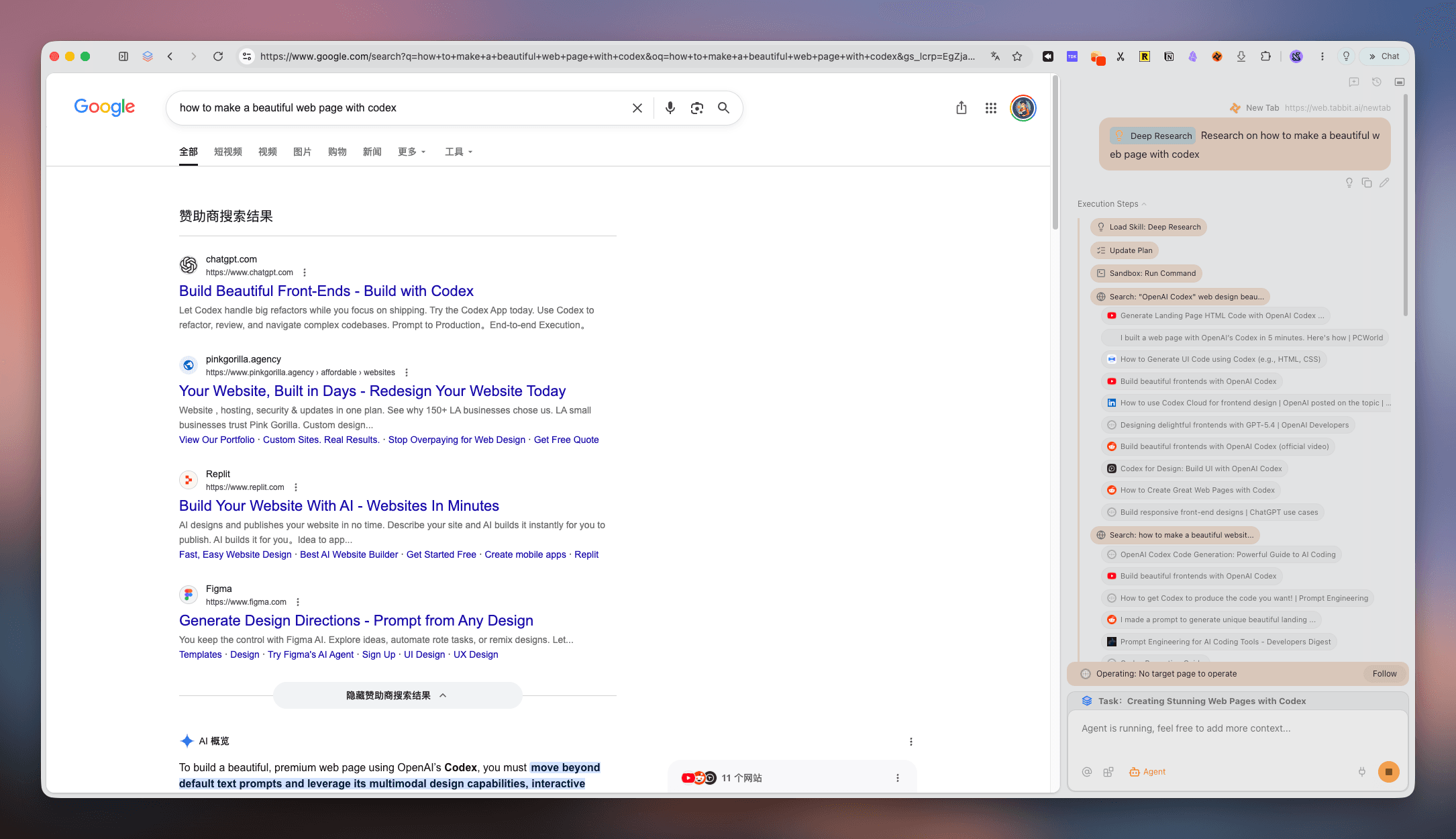
Deep research without handing over the trail

Turn a sensitive topic into a structured report on your own machine. Tabbit reads, filters, and cites sources while the whole task stays under your control.

Tabbit Deep Research report page with a list of research tasks and execution steps
04 / 04

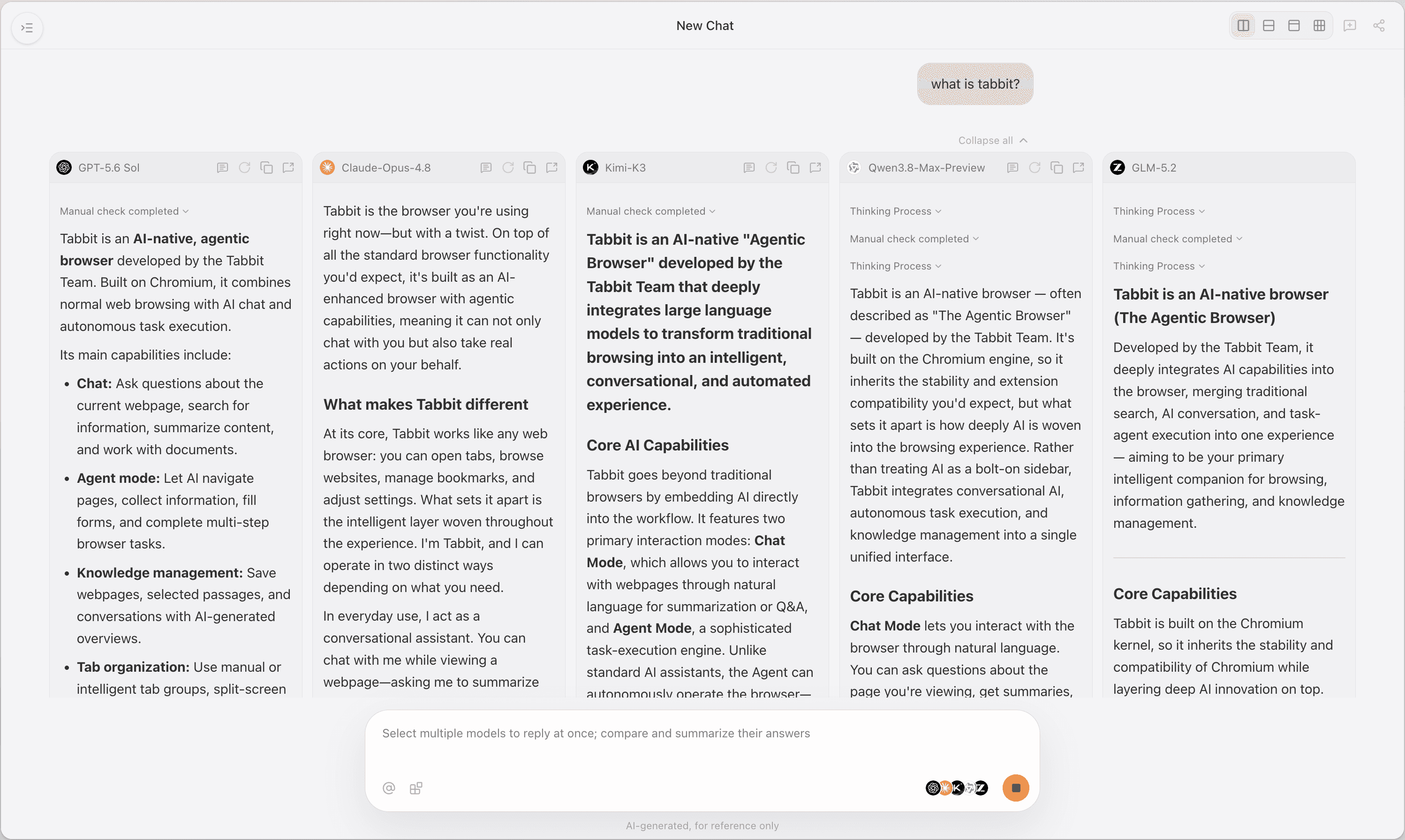
Model freedom is data sovereignty

Choose from GPT, Gemini, Claude, and more. Your browsing context is not locked to a single AI vendor, so you decide which provider sees what.

Tabbit multi-model chat showing replies from several AI models side by side
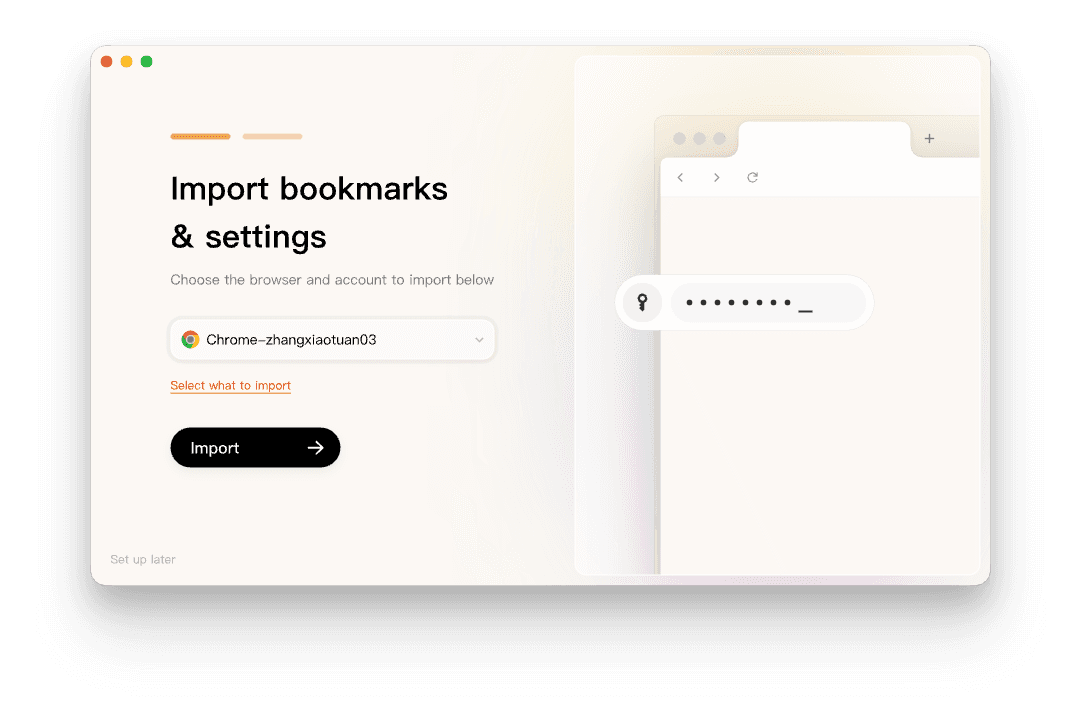
Tabbit import screen for bookmarks and browser settings
Switch in minutes

Bring your bookmarks and settings with you

Tabbit imports bookmarks, history, passwords, and extensions from Chrome, Edge, and other browsers, so you can move your private setup to a browser that respects your context.

FAQ

Privacy browser for Android: questions people ask

Is incognito mode the same as a private browser?+

No. Incognito mode only stops history being saved on your device. Your ISP and the sites you visit can still track you. A privacy browser like Brave, Firefox, or DuckDuckGo actively blocks trackers and reduces what leaves your phone.

What is the most private browser for Android?+

For daily privacy with no setup, Brave. For anonymity, Tor. For extensions like uBlock Origin, Firefox. For one-tap clearing, DuckDuckGo. For maximum data minimization, Privacy Browser. Pick the one that matches the privacy level you actually need.

Does Brave track you on Android?+

Brave blocks third-party trackers by default and is open source, which makes its behavior auditable. It does have optional features like Brave Rewards and sync that use its servers, but the core browsing is designed to minimize tracking.

Is DuckDuckGo browser safe and private?+

Yes for everyday privacy: it blocks hidden third-party trackers, offers private search, and its Fire Button wipes data in one tap. It is lighter on features than Brave or Firefox, so check whether you need extensions.

Does Firefox block trackers on Android?+

Yes. Firefox ships with Enhanced Tracking Protection on by default, and on Android it is one of the few browsers that supports desktop-grade extensions such as uBlock Origin for stricter blocking.

Can I use a private Android browser with an AI assistant?+

Yes — Brave has Leo and DuckDuckGo offers Duck.ai. But phone AI assistants often send your page content to a cloud model. On a desktop, Tabbit lets you control exactly what context the AI sees through @ references, and you choose the model.

Does Tabbit collect my browsing data?+

Tabbit is built around the idea that AI should work from the context you explicitly share. You bring pages, tab groups, and files into a conversation with @, and you choose which model provider processes them. Check Tabbit’s official privacy policy for the full data-handling details.

Is there a private browser that also gives me AI on desktop?+

Tabbit is the closest match: it is free on macOS and Windows, works with the top model providers, and is designed so AI helps without silently collecting your browsing history. Pair it with a private Android browser for full coverage.
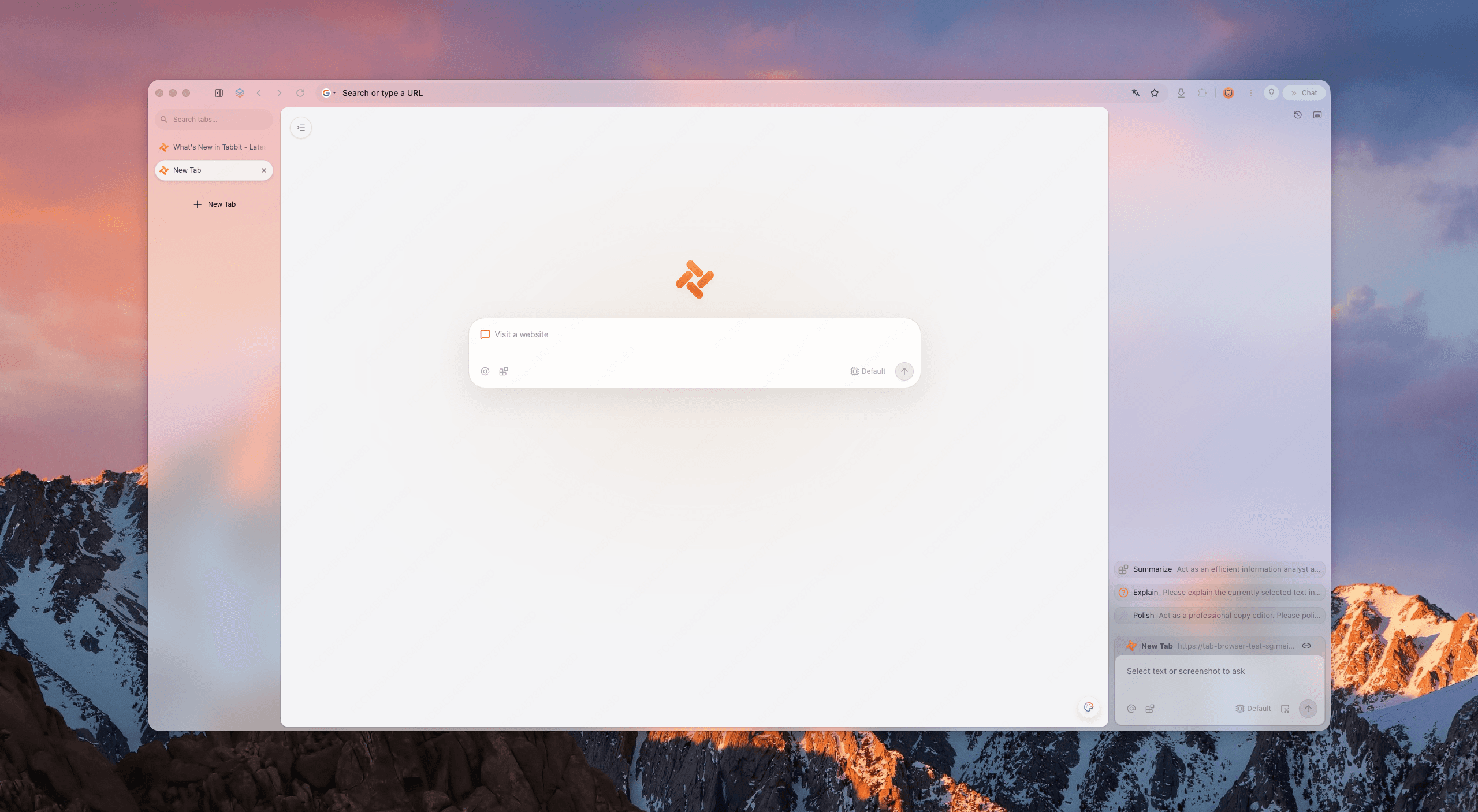
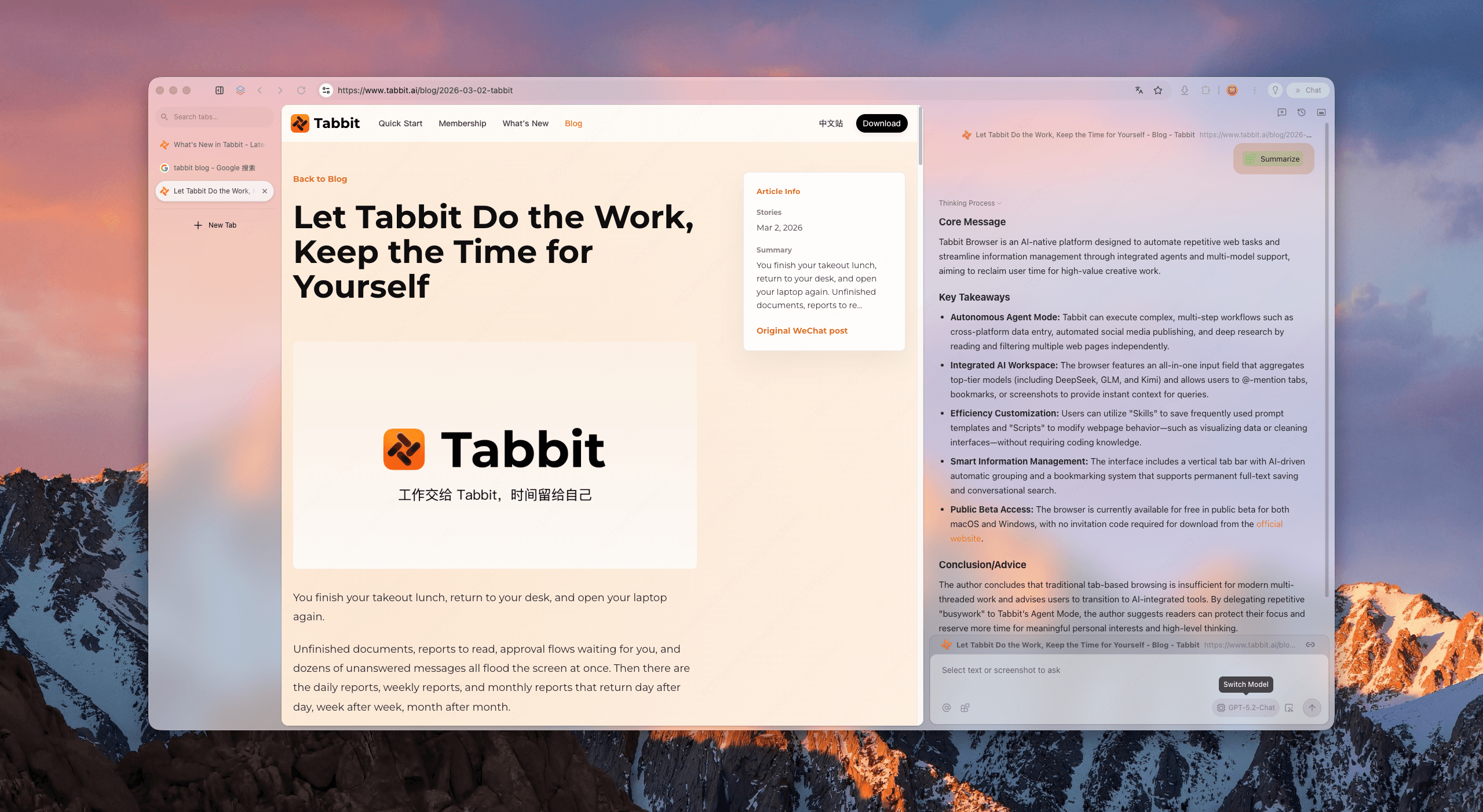
Keep your research private on the big screen

Pick a private browser for your phone, then install Tabbit on macOS or Windows for AI that works from the context you choose.

Back to top

Tabbit is desktop-first — privacy on your phone, AI on your terms.