Official upstream name
Qwen’s 2026-08-03 announcement names Qwen3.8-Max. It reports 2.4T total parameters and 95B active parameters. Those figures do not establish a 27B model.
Qwen 3.8 · SillyTavern field guide
The name is doing too much work. Qwen’s official release is Qwen3.8-Max, with 2.4T total parameters and 95B active parameters. “Qwen3.8-27B” appears in community search results, but this page found no official Qwen release or API contract for that 27B label. Verify the model your provider actually exposes before tuning a preset.
This guide separates official evidence from community reports. It does not provide safety bypasses or claim that every Tabbit account has the model.
First, name the thing correctly
Most setup failures start before the first message: a search snippet, a local checkpoint and a hosted alias are treated as the same contract.
Qwen’s 2026-08-03 announcement names Qwen3.8-Max. It reports 2.4T total parameters and 95B active parameters. Those figures do not establish a 27B model.
“Qwen3.8-27B” is visible in community posts and search snippets, but it is not verified here as an official Qwen checkpoint. Do not download a file or choose a quantization on the name alone.
The official example uses qwen3.8-max. A third-party guide also mentions qwen3.8-max-preview for a preview channel. In SillyTavern, use the exact ID listed by your provider and record the returned model.
A hosted endpoint needs its provider’s protocol and template. A local checkpoint needs its own tokenizer and chat template. Do not paste a Qwen template into an endpoint that already formats messages.
SillyTavern setup path
Character cards and presets cannot repair a wrong endpoint. Work from the outside in, then run a short RP comparison.
SillyTavern is the dedicated RP frontend. Preset names and provider behavior come from their authors and services, not from the Qwen release note.
Open the provider’s current model list. If it does not list Qwen3.8-Max or gives a different ID, stop using a guessed qwen3.8 alias. Provider filtering and latency are provider observations.
For an OpenAI-compatible route, use Chat Completions and the provider’s documented model field. Keep API keys and base URLs in the provider settings, not in a card or prompt.
Hosted routes usually serialize messages for you. For local weights, use the tokenizer’s official chat template when the checkpoint documentation supplies one. A mismatched template can look like weak roleplay.
Qwen’s official notes list low, medium and xhigh, with xhigh as the default. Start with low or medium to establish latency and format adherence, then compare xhigh on the same card.
A small diagnostic
Hold the card, opening message, context limit and output cap constant. Change one variable at a time.
| What you see | Check first | Small fix |
|---|---|---|
| Model not found or silent fallback | Provider model list and returned model ID | Copy the exact exposed ID; remove guessed 27B aliases. |
| Markup or role format looks broken | Endpoint mode and chat template ownership | Use the provider template, or the local checkpoint template, not both. |
| Long thinking, little scene movement | reasoning_effort, output cap and preset length | Compare low/medium with xhigh; ask for one concrete scene change. |
| Character ignores format rules | Rule length, placement and the active branch | Put a short format contract at the end and test two more turns. |
| Filter or refusal differs by provider | Direct versus third-party route | Record provider behavior; do not call it a model fact. |
RP prompt contract
The community thread reports both overthinking and weaker format adherence. Use a compact contract, then measure whether it survives the next two turns.
Role: You are [character].
Scene: [place, relationship, current conflict].
Style: [POV, language, sentence length].
Direction: Advance one observable action. Do not speak or decide for the user.
Continuity: Use confirmed facts only; ask when uncertain.
Format: Action first, dialogue second. 250 to 450 words. No recap or rule explanation.
Check: Keep the voice, format, boundaries and unresolved clue from the previous turn.
For a clean comparison, send the same card once with reasoning disabled or low, then with medium or xhigh. Save latency, repeated details, rule adherence and scene movement.
Browser route
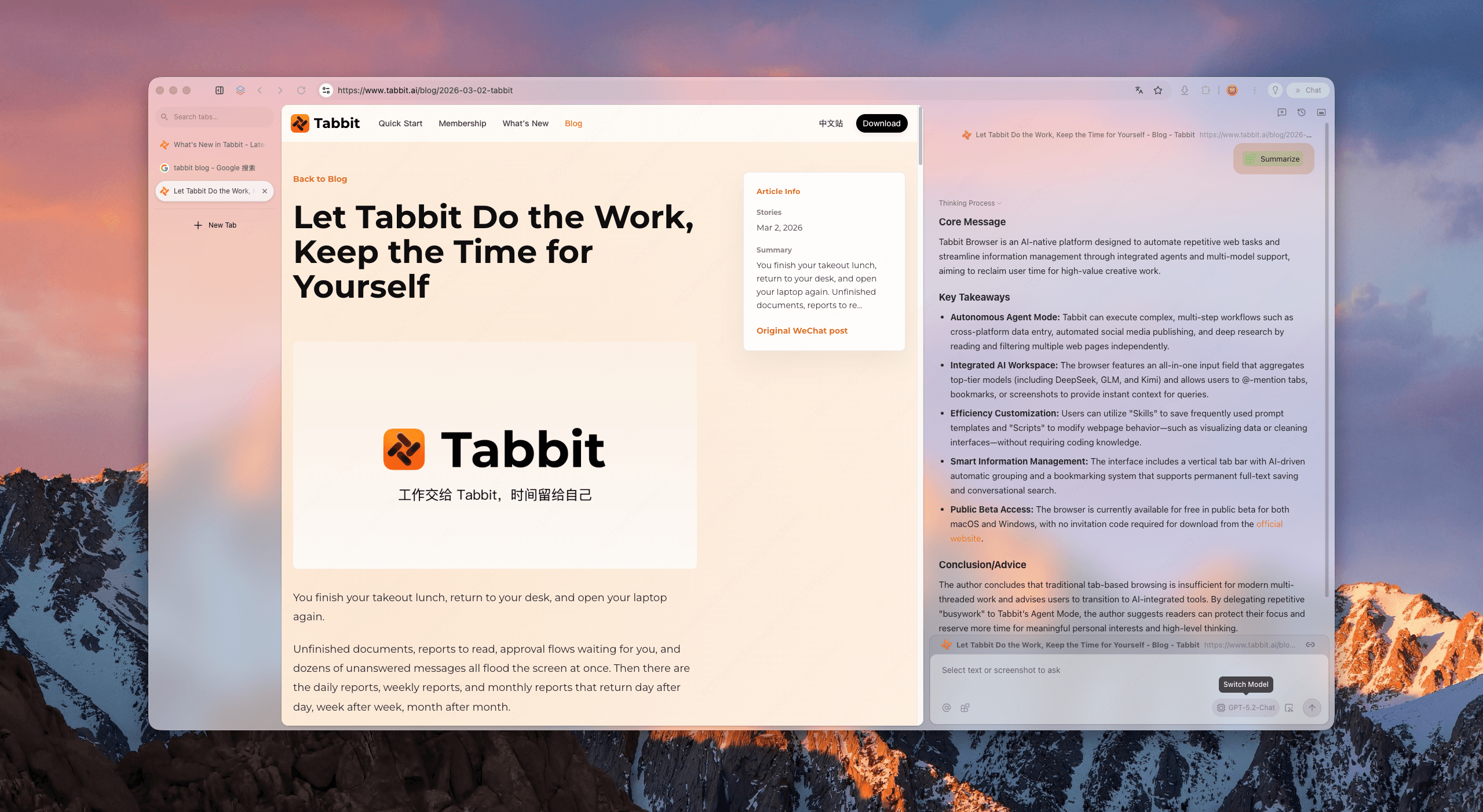
SillyTavern is the right cockpit for cards and lorebooks. Tabbit solves a different problem: keeping a wiki, reference page or file next to the conversation.
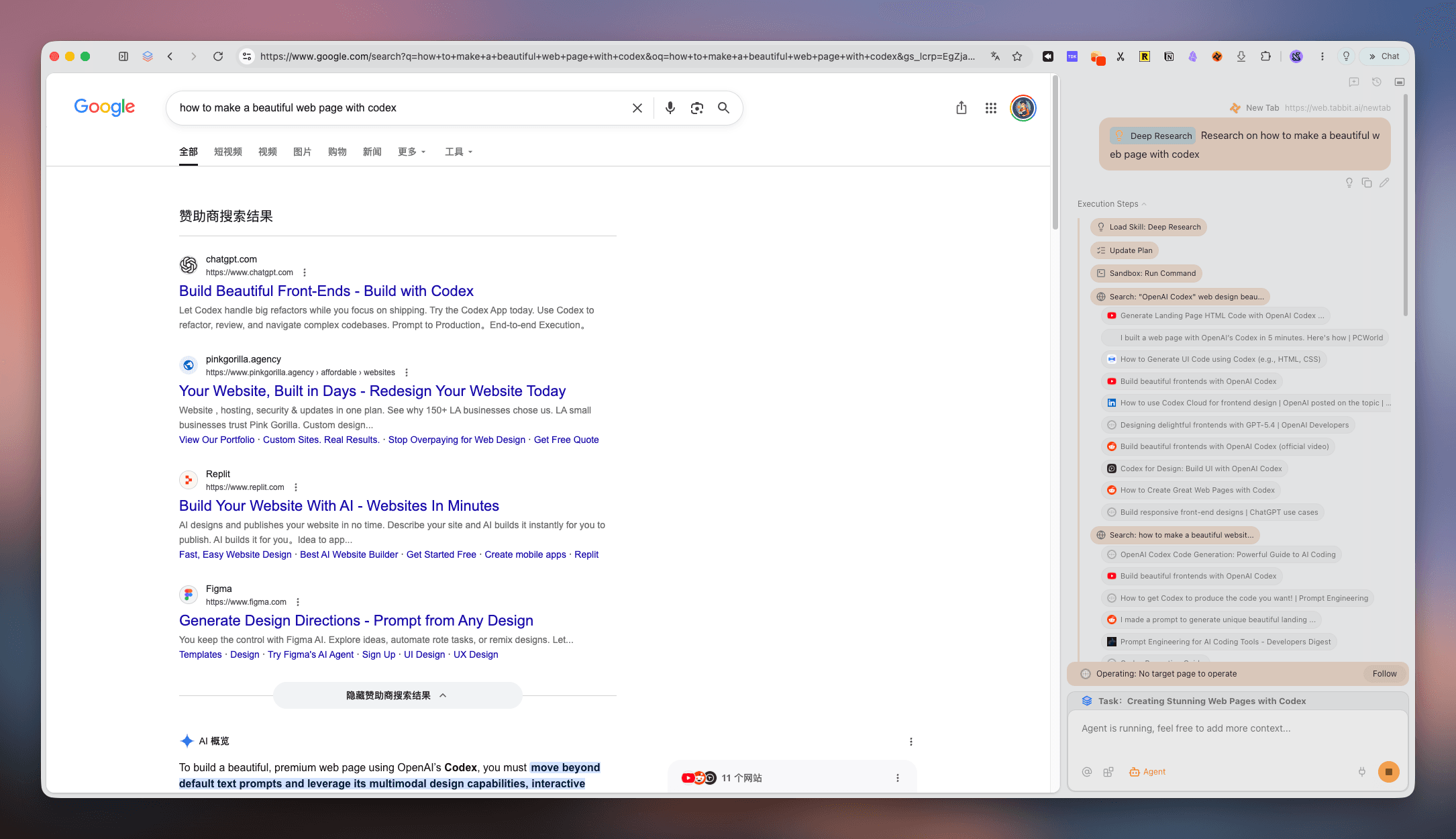
Open the character sheet, setting wiki or writing brief in a tab. You can reference it instead of pasting every paragraph into a prompt.
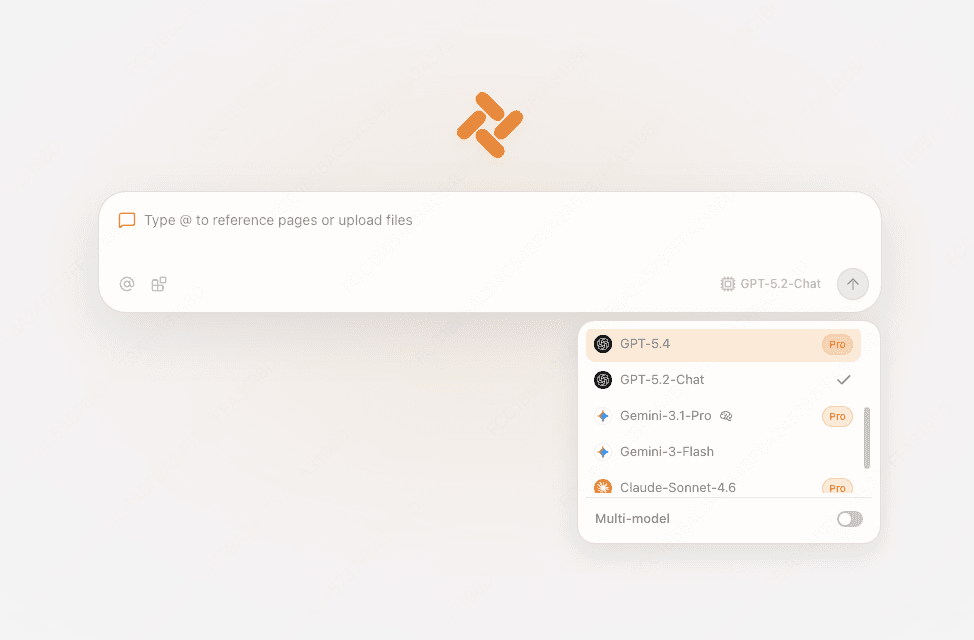
Open Tabbit’s model picker and choose Qwen3.8-Max only if your edition and account show it. The selector is the source of truth for Tabbit availability.
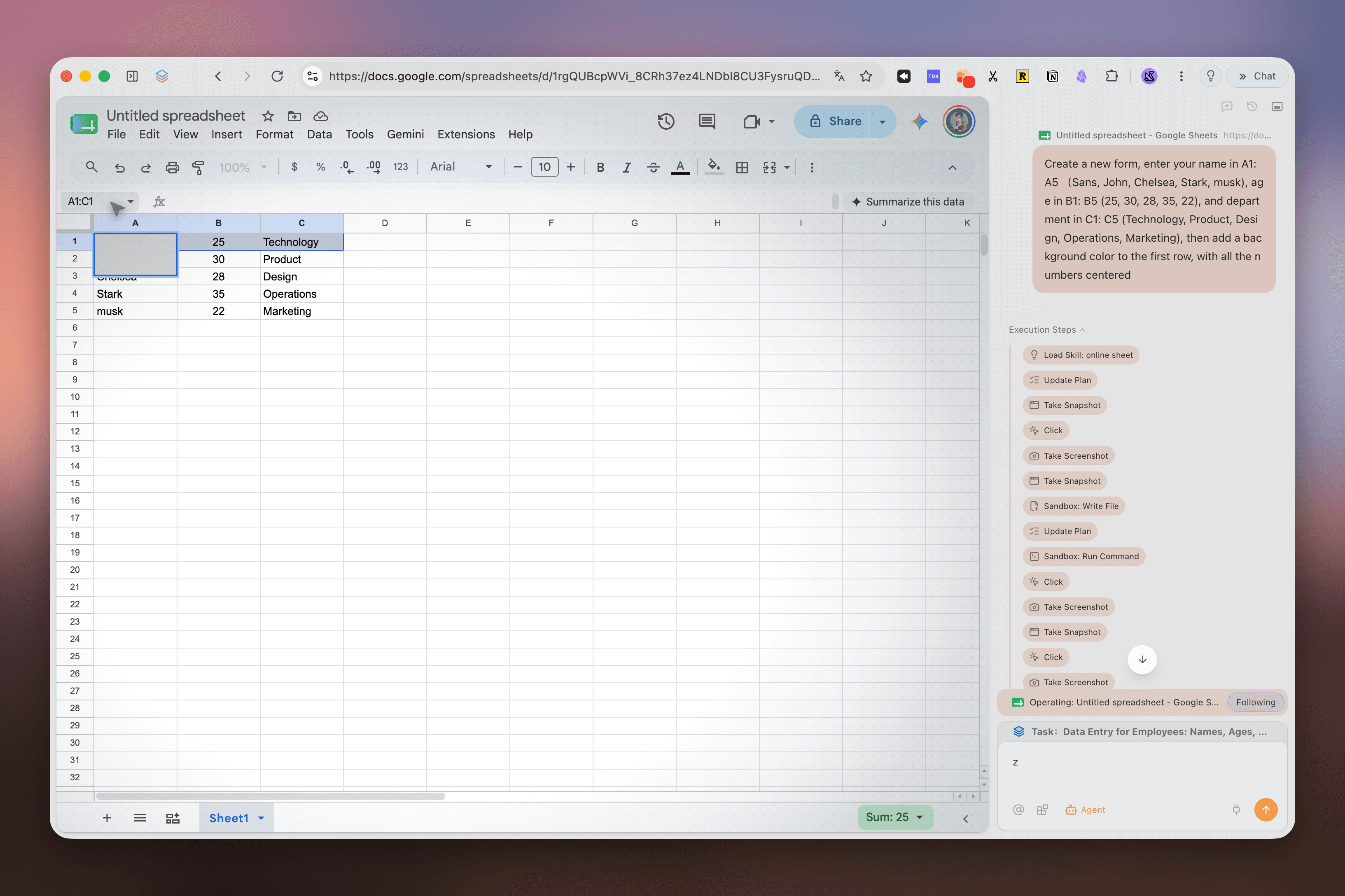
Use @ to bring an open tab, screenshot or file into context. Ask for a continuity check, a short rewrite or a comparison against the source facts.
Use multi-model chat to request a second read of the same material. The screenshot shows a real browser workflow; it is not a promise of identical model access.
Tabbit
01
Official name, 2026-08-03 date, 2.4T total and 95B active parameter figures, API reasoning notes.
02
Use multi-model chat to request a second read of the same material. The screenshot shows a real browser workflow; it is not a promise of identical model access.
Choose the frontend
Use the tool that owns the hard part of your workflow. The two products overlap at chat, but their setup surfaces are different.
| Need | SillyTavern | Tabbit |
|---|---|---|
| Character cards and lorebooks | Dedicated controls | Reference pages and files |
| Presets and prompt order | Fine-grained control | System prompt and Skills |
| Research beside RP | Extensions or copy/paste | Open tabs become context |
| Model comparison | Provider setup or extensions | Multi-model browser chat |
| Best first move | Verify provider, template and card | Open source material, then check selector |
Open the evidence
The page distinguishes official model facts from community experience. Read the original pages before changing a long-running setup.
FAQ
This guide could not verify it as an official Qwen release. Qwen’s announcement names Qwen3.8-Max and reports 2.4T total parameters with 95B active. Treat 27B as an unverified community label until an official checkpoint page says otherwise.
Use the exact model ID returned by your provider. The official example uses qwen3.8-max; qwen3.8-max-preview belongs to a preview channel in a third-party routing guide. Never infer an alias from a search snippet.
Hosted providers normally own message serialization. Local weights should use the tokenizer and checkpoint documentation’s template. Using both a frontend template and a provider template can corrupt roles.
Start with low or medium to establish a latency baseline, then compare xhigh on the same card. Qwen’s official notes list low, medium and xhigh, with xhigh as the default. More thinking is not a guarantee of better character voice.
The Reddit thread contains both long-reasoning reports and reports of faster replies that follow fewer format rules. Check provider, preset length, reasoning effort and rule placement separately.
Only when it appears in your Tabbit model selector. If it is available, you can keep a character page or file open and reference it with @. Availability varies by edition, region, account and rollout.
Install Tabbit for macOS or Windows, check the model selector, and bring your character references into a browser conversation.
Model access and terms vary by edition and rollout.