More than Chrome
Six categories of alternatives, from privacy-first Brave to endlessly customizable Vivaldi.
Beyond the Google default
Google Chrome is the default for millions of people, but it is not the only browser — and for many workflows it is not the best one. Whether you want more privacy, better performance, deeper customization, or AI that actually does work, there is a browser built for that. Here is how the alternatives compare, plus where an AI-native browser changes the game.
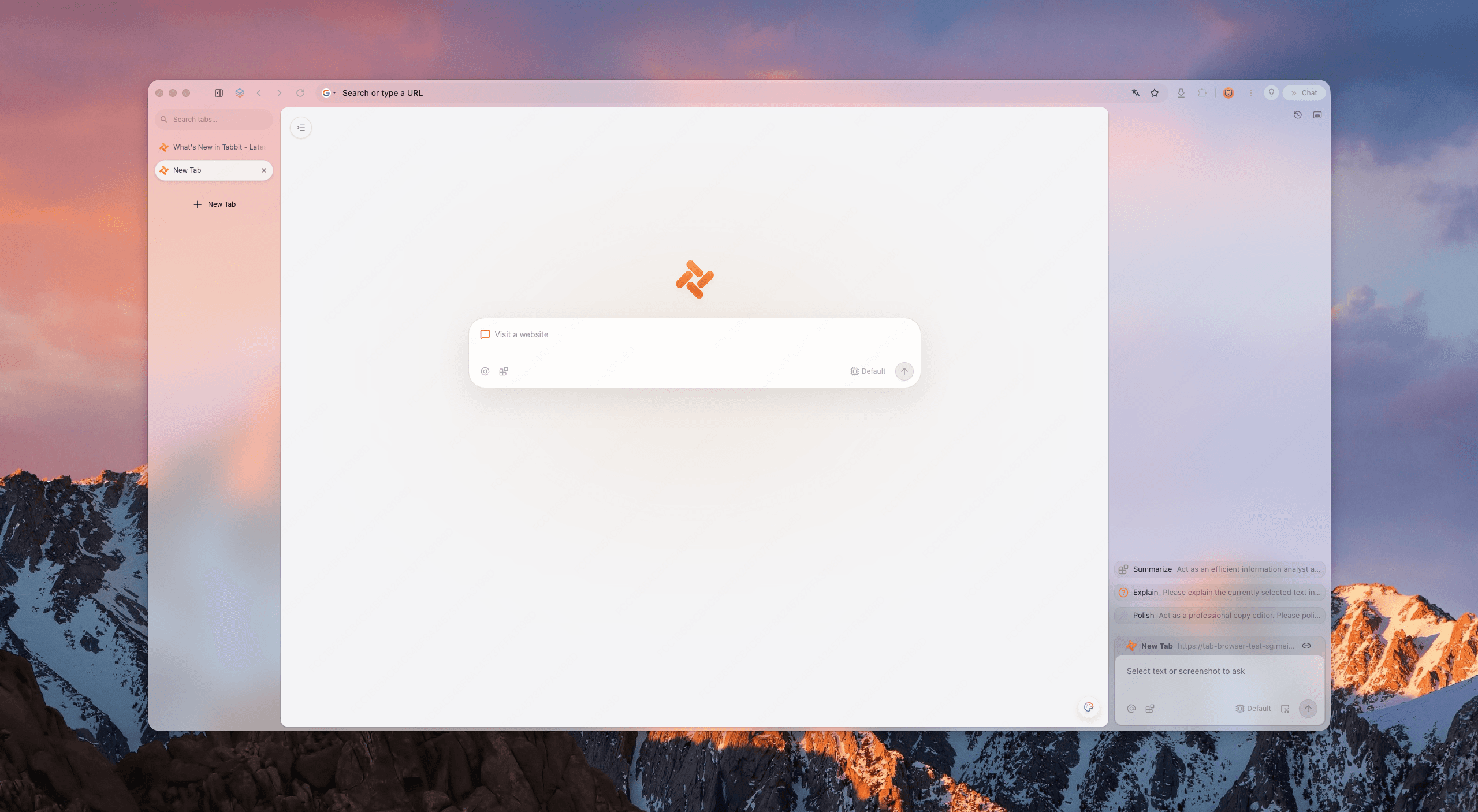
Six categories of alternatives, from privacy-first Brave to endlessly customizable Vivaldi.
Tabbit is built for the AI era: Agent Mode, Deep Research, and a sidebar that summarizes any page.
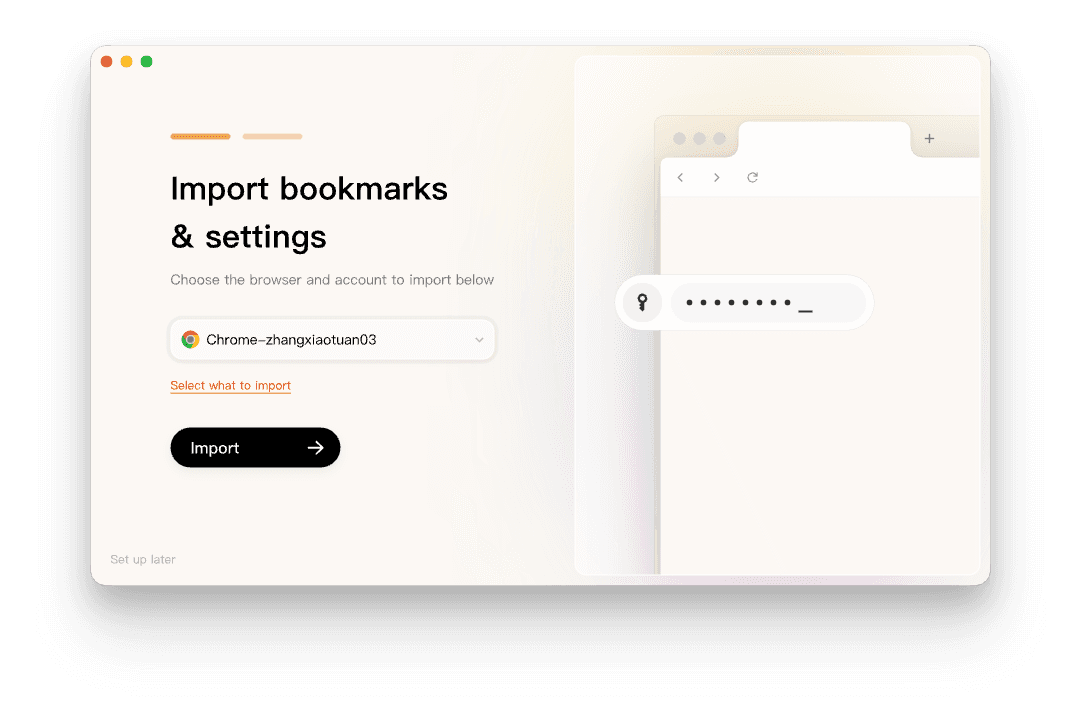
Import your bookmarks, passwords, and settings from Chrome in one step.
The landscape
Almost every serious browser is free, fast, and secure enough for daily use. The real differences are focus: what each one optimizes for. Pick the category that sounds like you, then look for Tabbit as the AI-native option.
Blocks ads and trackers by default
Built-in shields strip ads, trackers, and fingerprinting before they load. A strong choice if your first reason to leave Chrome is data collection.
Independent and non-profit backed
Firefox is the most popular browser not tied to an advertising business, with a long history of user-first privacy and a huge extension library.
Best integration with Windows
Pre-installed on Windows, Chromium-compatible, and tightly connected to Microsoft services. A low-friction switch if you live in the Microsoft ecosystem.
Best fit for iPhone and Mac
Deep integration with Keychain, Handoff, and Apple Pay. Typically excellent battery life on Apple silicon, and a smooth default for Apple-only households.
Endlessly configurable UI
Tabs, sidebars, keyboard shortcuts, and themes can be reshaped to your exact taste. Built for power users who want the browser to feel like theirs.
Modern, minimal take on browsing
Arc and Zen rethink the tab bar and sidebar-first navigation. Great if you want a cleaner visual style, though many AI and automation features still live outside the browser.
Why consider AI-native
Traditional alternatives to Chrome — Brave, Firefox, Edge, Safari, Vivaldi — all improve privacy, performance, or customization. But they still treat the browser as a window into the web. Tabbit treats the browser as a workspace that can act on what you read.
Agent Mode can read a page, extract data, fill forms, and run multi-step tasks in a separate tab group — so the browser finishes the job instead of just showing it.
Type @ in the omnibox to reference the current tab, a tab group, a screenshot, or a local file. No more copy-paste between pages, notes, and AI tools.
Deep Research searches the web, reads the strongest sources, and delivers a structured brief — replacing a research session of dozens of open tabs.
Tabbit in action
These screenshots are from Tabbit running real tasks: operating a spreadsheet, compiling a research brief, and summarizing a long article while you read.
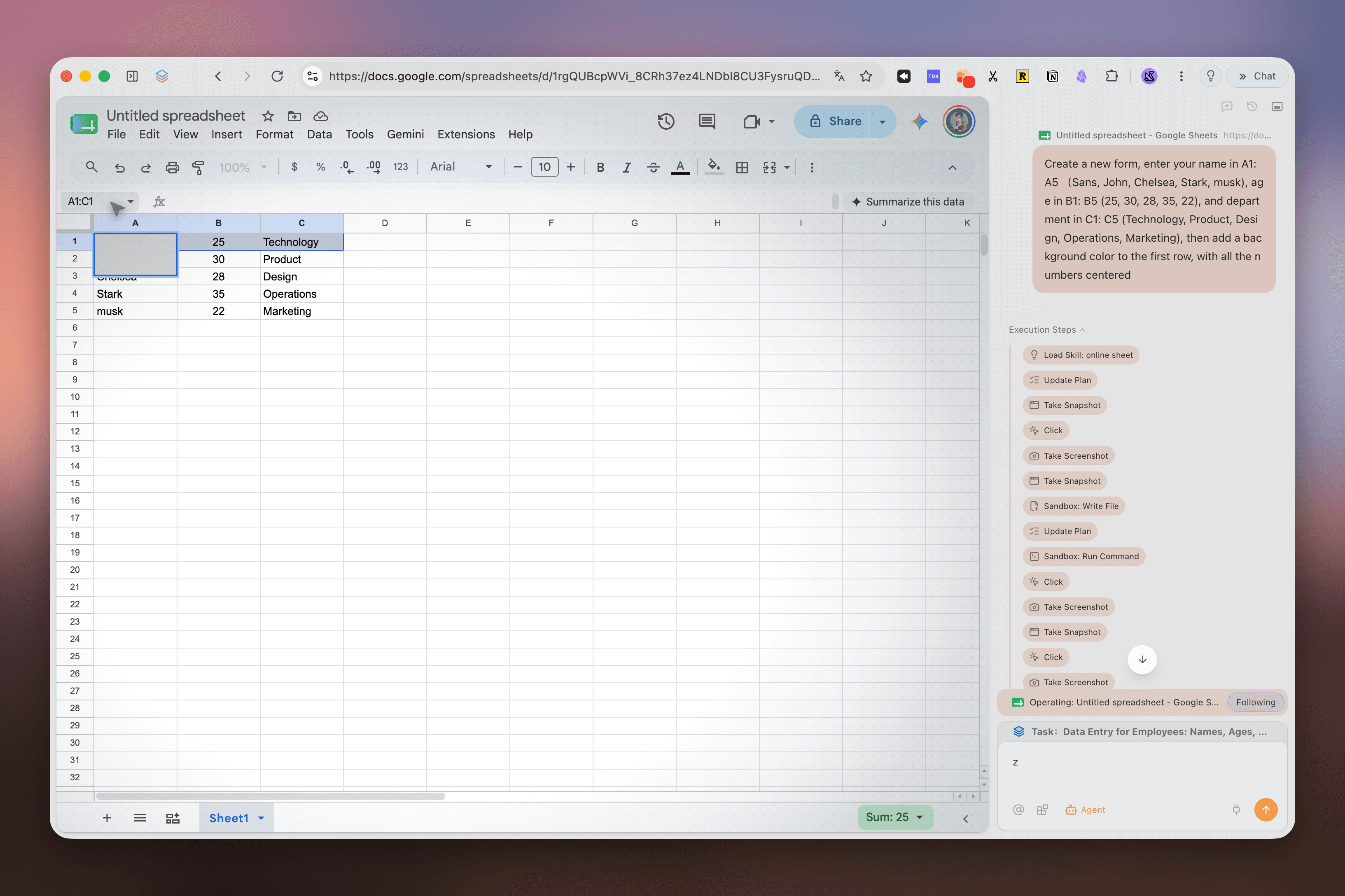
Here Tabbit’s Agent is working inside Google Sheets, following a task list in the right-hand panel. It can fill data, cross systems, and report back — in its own tab group, without interrupting your browsing.
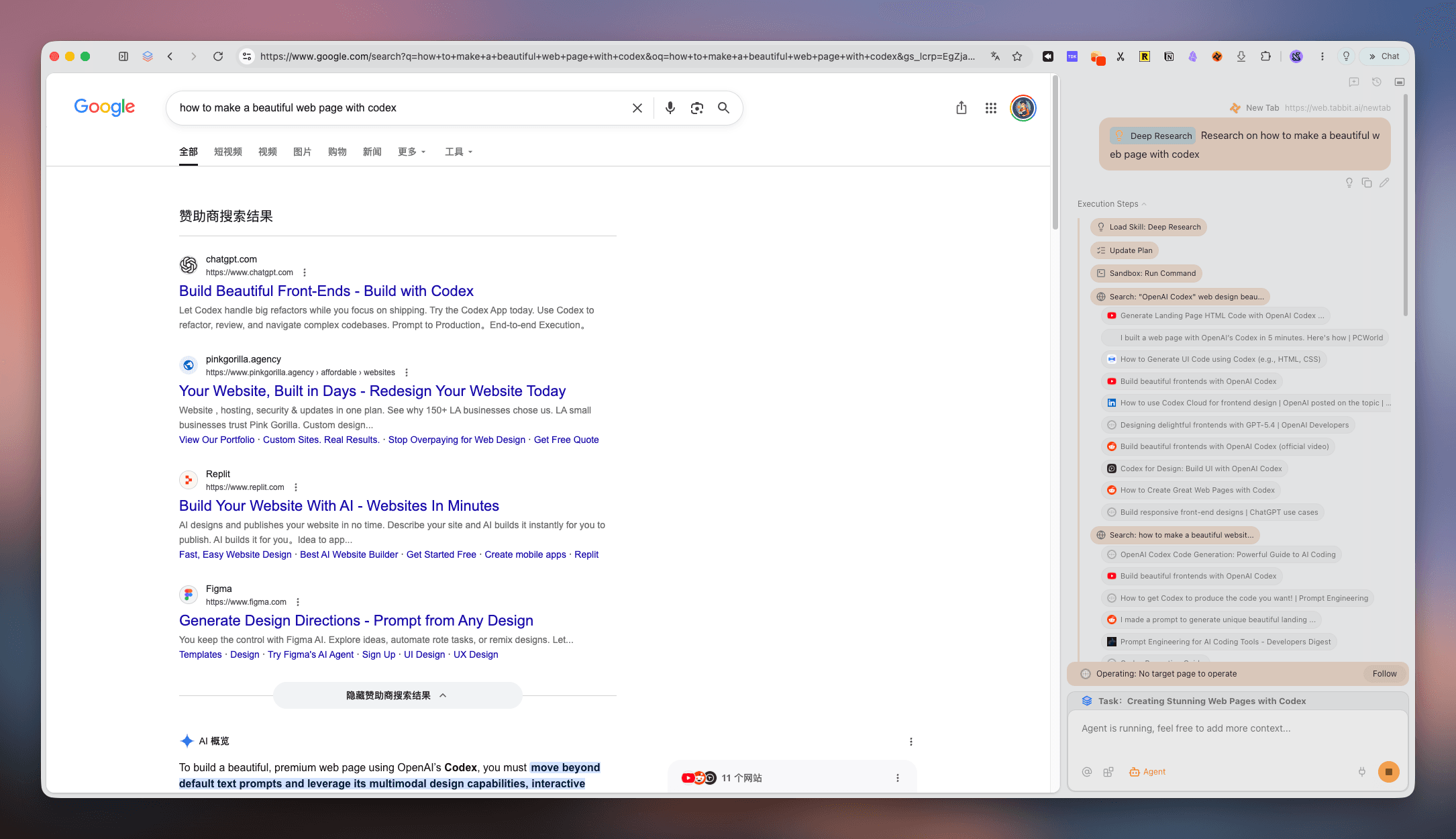
Instead of juggling dozens of results, Tabbit reads the best sources and assembles a structured report. You get the conclusion and the sources, not a wall of tabs.
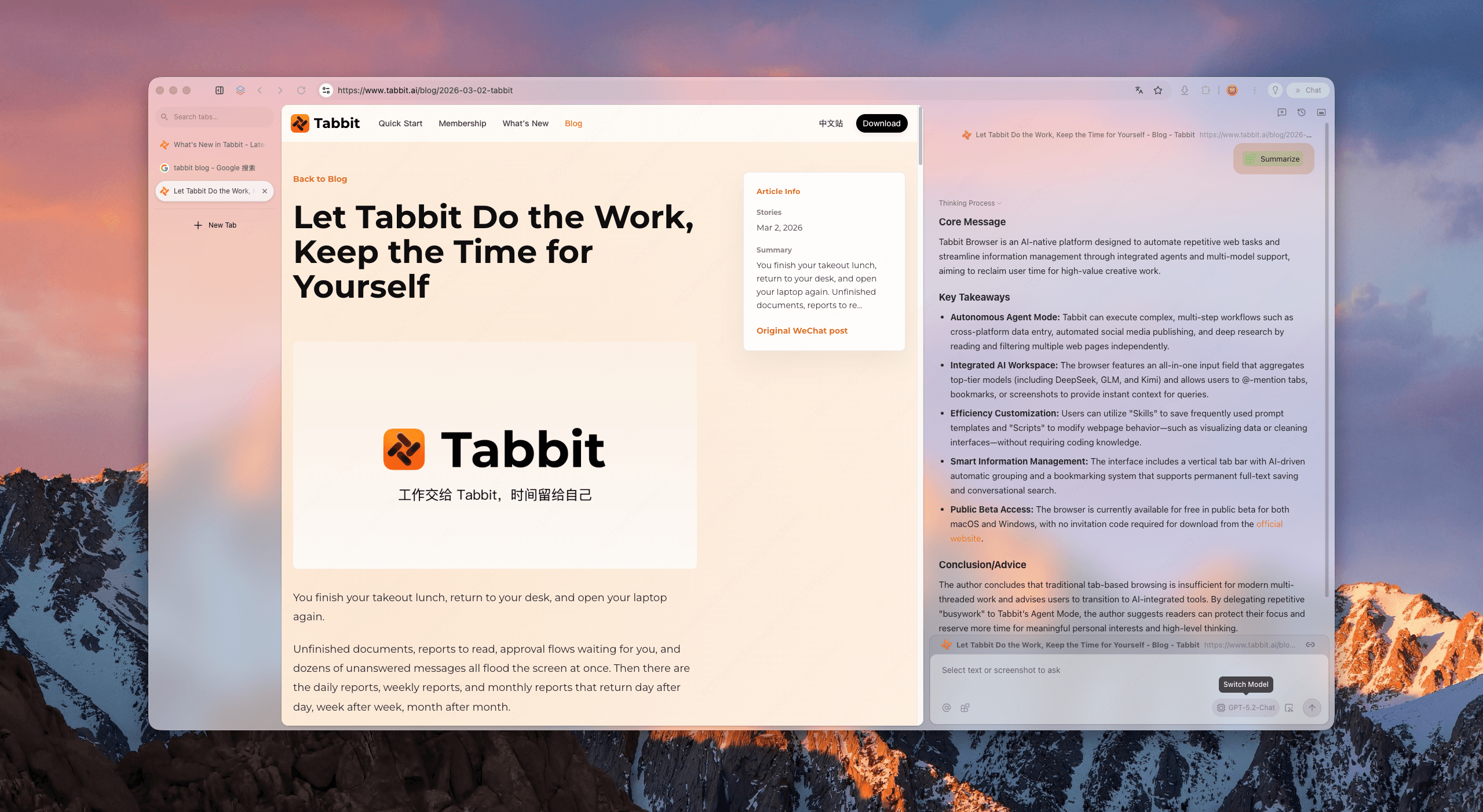
Open a long article and the sidebar distills the key points and conclusions. Ask follow-up questions about the page without leaving the tab.
At a glance
Brave, Firefox, Edge, and Safari are excellent browsers. This table shows where an AI-native browser adds capabilities those options typically leave to plugins and separate tools.
Switching made simple
Your bookmarks, passwords, and settings are the reason switching browsers feels risky. Tabbit imports them directly from Chrome on first launch, so you can start with your history and habits intact.
Get the free Tabbit app for macOS or Windows and open it.
On the first-run screen, pick the browser you are moving from — Chrome appears with a one-click option.
Choose bookmarks, passwords, history, and settings. Everything transfers locally in seconds.
Optional: allow Tabbit to read your favorites for AI summaries, then start using the sidebar and Agent Mode.
FAQ
The most popular alternatives are Microsoft Edge, Mozilla Firefox, Apple Safari, Brave, Opera, and Vivaldi. Newer options include Arc, Zen, and AI-native browsers like Tabbit that add automation and research tools.
Yes — most browsers are not made by Google. Chrome is built on the open-source Chromium project, and Edge, Brave, Opera, and Vivaldi are also Chromium-based, while Firefox and Safari use their own engines. Tabbit is a Chromium-based AI-native browser independent of Google.
It depends on your priorities. Brave leads on privacy and ad blocking, Firefox on openness, Vivaldi on customization, Safari on Apple integration. If you want AI that reads pages and executes tasks, Tabbit adds Agent Mode and Deep Research on top of a modern browser.
Yes. Major alternatives such as Firefox, Brave, and Edge are maintained by established organizations and receive regular security updates. As with any browser, keep it updated, use strong passwords, and avoid untrusted extensions.
Most browsers, including Tabbit, offer a one-click import for bookmarks, passwords, history, and settings. Tabbit imports from Chrome directly on first launch, so switching usually takes only a few minutes.
Chromium-based browsers such as Edge, Brave, Opera, Vivaldi, and Tabbit can run most extensions from the Chrome Web Store. Firefox has its own add-on library, while Safari uses the App Store extensions.
Brave and Firefox are the most common privacy-first recommendations. Brave blocks ads and trackers by default, and Firefox is backed by a non-profit. For privacy plus productivity, Tabbit keeps your data local, offers AI summaries, and does not sell ads.
Common reasons include high memory usage, unwanted tracking, the desire to reduce reliance on Google, and missing AI workflow features. Switching is low-risk because bookmarks, passwords, and settings can be imported in one step.
Download Tabbit for macOS or Windows and turn your browsing into a workspace — free, with AI built in.